10 Proven Affiliate Marketing Account Setup Hacks to Boost Your Online Success
Table of Contents
Affiliate marketing has emerged as a powerful performance-based strategy, allowing individuals and businesses to earn commissions by promoting products or services from another company. The core principle is simple: affiliates drive traffic and generate sales or leads for a merchant, and in return, they receive a payout based on an agreed commission model. This symbiotic relationship has fueled the growth of e-commerce and offers a lucrative avenue for those looking to monetize their online presence. However, success in this dynamic field hinges not just on understanding the basics, but on meticulous account setup and continuous optimization.
Understanding Affiliate Marketing: The Foundation
At its heart, affiliate marketing is about leveraging your influence to connect consumers with products or services they need. Affiliates, often content creators, bloggers, or website owners, use unique tracking links to direct potential customers to a retailer’s or brand’s platform. When a desired action occurs through this link—be it a sale, a free trial sign-up, or an email submission—the affiliate earns a commission. This model is particularly attractive because it’s performance-based; affiliates only get paid for actual results, which can help businesses manage their marketing budgets effectively.
The ecosystem of affiliate marketing involves several key players:
- The Merchant (or Advertiser): The company that creates the product or service. They establish the affiliate program and provide the tools and creatives for promotion.
- The Affiliate (or Publisher): The individual or entity that promotes the merchant’s products and drives traffic. They are compensated for successful conversions.
- The Consumer: The end-user who makes a purchase or completes a desired action through the affiliate’s link.
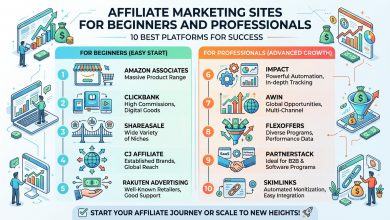
- The Affiliate Network: Platforms that act as intermediaries, connecting affiliates with merchants. They handle tracking, payments, and reporting, making it easier for both parties to manage their programs. Popular networks for beginners include Amazon Associates, CJ Affiliate (Commission Junction), ClickBank, and ShareASale.
The rapid evolution of affiliate marketing, influenced by AI-driven automation, social commerce, and shifting consumer behaviors, necessitates a strategic approach to remain competitive. Trends for 2026 highlight the growing importance of AI for content planning, optimization, and predictive analytics, as well as the dominance of video and short-form content in driving conversions.
Choosing the Right Affiliate Program and Niche
One of the most critical decisions an aspiring affiliate marketer faces is selecting a profitable niche and the right affiliate programs within it. This initial choice can significantly impact long-term success, as it determines your target audience, content strategy, and earning potential.
Consider the following factors when making your selection:
- Interests and Expertise: Aligning your niche with your passions and knowledge makes content creation more enjoyable and helps you establish authenticity and credibility with your audience.
- Profitability and Demand: Research the market demand for products within your niche. Tools like Google Keyword Planner and Google Trends can help identify popular keywords and assess search volumes. Look for evergreen niches that address fundamental human needs or desires, ensuring long-term relevance regardless of fleeting trends.
- Competition: While popular niches indicate demand, high competition can be a barrier. Aim for a balance between substantial search volume and moderate competition. If entering a competitive niche, differentiate yourself with a unique angle or approach.
- Commission Structure: Evaluate the commission rates and payment models offered by various programs. High-ticket items or services with recurring commissions, common in SaaS and digital products, can lead to higher earnings per sale.
For beginners, programs like Amazon Associates are often recommended due to their easy entry, trusted brand recognition, and vast product selection. Other beginner-friendly networks include CJ Affiliate, ClickBank, and ShareASale, which connect you with thousands of brands and offer support resources.
Affiliate Account Setup: A Step-by-Step Guide
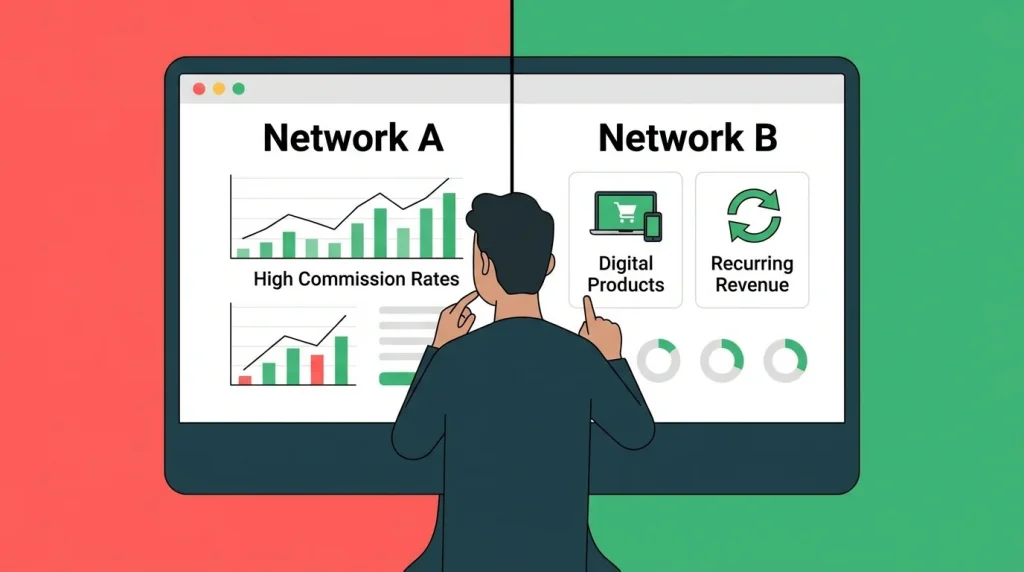
Setting up your affiliate marketing accounts involves more than just signing up; it requires a strategic approach to lay a strong foundation for future success.
- Create Your Platform: Before joining programs, you need a platform to promote products. This can be a website, blog, YouTube channel, podcast, or social media account. A blog or website is often recommended as it provides a stable hub for your content and offers greater control over your marketing efforts.
- Choose Affiliate Networks/Programs: Based on your niche research, select the affiliate networks and individual programs that best fit your content and audience. For instance, Amazon Associates is a good starting point for physical products. For digital products with higher commissions, ClickBank or Digistore24 might be suitable.
- Registration and Application: The application process typically involves providing your website or platform details, your marketing methods, and sometimes a brief overview of how you plan to promote their products. Be honest and thorough. Some programs offer instant approval, while others require manual review.
- Understand Terms and Conditions: Crucially, read and understand each program’s terms of service. This includes commission rates, payment thresholds, cookie durations, and any restrictions on promotional methods. Non-compliance can lead to account termination.
- Integrate Tracking Links: Once approved, you’ll receive unique affiliate links. These are essential for tracking conversions and ensuring you get credit for sales. Learn how to properly generate and implement these links on your platform. Link management tools can help organize, cloak, and track your links efficiently.
- Set Up Payment Information: Ensure your payment details are correctly entered. Most networks offer various payout options, including direct deposit, PayPal, or checks. Be aware of payment thresholds and schedules.
Many affiliate networks, such as CJ Affiliate, provide training resources to help new affiliates understand the fundamentals and optimize their initial setup.
Essential Tools and Technologies for Affiliates
To streamline operations and maximize efficiency, affiliate marketers rely on a suite of tools. These tools fall into several categories, each playing a vital role in campaign success.
| Tool Category | Purpose | Examples/Key Features |
|---|---|---|
| Tracking & Analytics | Monitor campaign performance, clicks, conversions, and revenue. Essential for data-driven decisions and ROI optimization. | Voluum (advanced tracking, split testing), Strackr (multi-network integration), Google Analytics (free site analytics), Post Affiliate Pro, ClickMeter, Tapfiliate, Everflow. |
| Keyword Research & SEO | Identify profitable keywords, optimize content for search engines, and improve organic rankings. | Ahrefs, SEMrush, Ubersuggest, Surfer SEO. |
| Content & Copywriting | Assist in creating high-quality, engaging, and SEO-friendly content. AI tools are becoming standard for content planning and optimization. | Grammarly (grammar, spelling, tone), NeuronWriter (keyword optimization), AI content tools (e.g., for keyword research, content planning). |
| Email Marketing | Build subscriber lists, create automated campaigns, and deliver targeted promotions. | Mailchimp, ConvertKit, Mailerlite. |
| Social Media Management | Schedule posts, manage multiple platforms, and analyze engagement. | Buffer, Tailwind, Customers.ai. |
| Link Management & Cloaking | Organize, shorten, brand, and track affiliate links, making them more appealing and trustworthy. | Pretty Links, Replug (branded links, A/B testing). |
The most successful affiliates often combine several tools to create a cohesive workflow, recognizing that no single tool offers a complete solution. AI is increasingly integrated into these tools for tasks like content generation, conversion optimization, and predictive analytics, offering a significant competitive edge.
Strategies for Effective Affiliate Content Creation
Content is the cornerstone of affiliate marketing. High-quality, valuable, and conversion-focused content is essential for building trust with your audience and guiding them toward informed purchasing decisions.
Key content creation principles include:
- Prioritize Helpfulness: Focus on solving problems and answering questions. Affiliate links should naturally enhance content, not dominate it. Content that provides genuine value leads to higher engagement and trust, which are critical for conversions.
- Maintain Authenticity and Transparency: Share honest assessments, including both strengths and limitations of products. Readers value transparency and are more likely to trust recommendations that feel genuine. Running content through AI detectors can help ensure it reads as genuine, not AI-generated.
- Optimize for Search Engines (SEO): Structure content with clear headings, incorporate relevant keywords naturally, and aim to answer specific user questions to improve discoverability. Targeting buyer-intent keywords helps attract visitors who are further along in the buying cycle.
- Diversify Content Formats: Different formats appeal to different audiences and platforms. Effective content types include:
- Product Reviews: In-depth, honest reviews highlighting benefits, drawbacks, and real-world usage.
- Tutorials and How-Tos: Guides that demonstrate how to use a product or service, providing practical value.
- Comparison Posts and Roundups: Articles comparing several products or positioning an affiliate product as a superior alternative.
- Email Campaigns: Direct communication with engaged subscribers to share new content, exclusive offers, and build relationships.
- Video Content: Engaging videos on platforms like YouTube and TikTok for product demonstrations, reviews, or informational content. Video dominates discovery and conversion, with long-form building trust and short-form driving impulse purchases.
- Data-Driven Approach: Inject relevant data and statistics into your content to make it more credible and persuasive.
By consistently creating valuable, diverse, and well-optimized content, affiliates can build a loyal audience and drive sustainable conversions.
Traffic Generation and Promotion Tactics

Even the best content won’t convert without an audience. Generating high-quality traffic is paramount for affiliate marketing success. High-quality traffic consists of visitors who are actively searching for solutions and have a real intent to purchase or take action.
Effective traffic generation strategies include:
- Search Engine Optimization (SEO): Optimizing your website and content to rank high on search engine results pages is a cornerstone of organic traffic. This involves keyword research, on-page optimization, and building quality backlinks through strategies like guest blogging. SEO provides some of the highest-quality traffic because visitors are actively seeking solutions.
- Social Media Marketing: Maintaining an engaging presence on platforms where your audience is active (Facebook, Instagram, YouTube, TikTok, Pinterest, X/Twitter, Reddit). Share valuable native content and naturally incorporate affiliate recommendations. Short-form video content on TikTok and Instagram Reels is particularly effective for driving immediate action.
- Paid Advertising: Paid search (Google Ads, Bing) and paid social media campaigns (Facebook Ads, YouTube Ads, Pinterest Ads) can quickly reach cold audiences and accelerate traffic generation. However, it requires careful optimization to balance advertising costs with commission rates.
- Email Marketing: Building an email list allows direct communication with engaged subscribers, enabling timely promotions, new content distribution, and relationship building that drives repeat conversions. Segmenting emails ensures appropriate affiliate links reach the right audience.
- Guest Blogging: Writing high-quality articles for established blogs in your niche and including links back to your relevant content or affiliate offers can earn valuable backlinks and drive referral traffic.
- Niche Communities and Forums: Participating in online communities (like Reddit or niche-specific forums) and answering questions with genuine expertise can build credibility and drive interested traffic to your platform.
The key is to layer these methods together, with strong content at the center, using search and social media to bring readers in, communities and guest posts to build credibility, paid ads to accelerate proven strategies, and email to convert one-time visitors into repeat customers.
Conversion Rate Optimization for Higher Earnings
Driving traffic is only half the battle; the other half is converting that traffic into sales or leads. Conversion Rate Optimization (CRO) is the process of improving your website and content to maximize the percentage of visitors who complete a desired action.
Strategies to boost your affiliate marketing conversion rate include:
- Optimize Landing Pages: Landing pages should be highly relevant to the affiliate offer, have clear calls-to-action (CTAs), fast loading times, and a mobile-responsive design. Personalizing landing pages for specific referral partners or traffic sources can significantly increase conversions.
- Streamline the Purchasing Process: Reduce friction in the customer journey. Ensure that once a user clicks your affiliate link, the merchant’s site provides a smooth, easy, and secure checkout or sign-up experience.
- Use Compelling Calls-to-Action (CTAs): CTAs should be clear, prominent, and create a sense of urgency or benefit. Phrases like “Shop Now,” “Learn More,” or “Get Your Discount” can encourage clicks.
- Offer Coupons and Promotions: Discounts or exclusive coupon codes can significantly boost conversion rates by providing an immediate incentive and creating a sense of urgency. This also gives affiliates something specific to promote.
- Incorporate Social Proof: Testimonials, user reviews, case studies, and social media mentions build trust and validate product claims, influencing potential buyers.
- Build Trust and Authenticity: Be transparent about your affiliate relationships. Showcase brands and products you genuinely use and believe in. Authentic content that focuses on solving audience problems fosters trust, which is a powerful conversion driver.
- A/B Testing: Continuously experiment with different versions of your landing pages, CTAs, headlines, and content to determine what resonates best with your audience and drives the highest conversions.
By focusing on these CRO strategies, affiliates can turn more clicks into commissions, maximizing their earning potential.
Tracking, Analysis, and Continuous Improvement
The dynamic nature of affiliate marketing demands constant monitoring and adaptation. Robust tracking and data analysis are crucial for understanding what’s working, identifying areas for improvement, and making informed decisions to optimize your campaigns.
Key metrics to track include:
- Clicks and Impressions: Understand traffic volume and identify trends.
- Conversion Rates: The percentage of visitors who complete a desired action after clicking your affiliate link.
- Earnings Per Click (EPC): Measures the profitability of your campaigns by comparing revenue to clicks.
- Customer Lifetime Value (LTV): Understanding the long-term value of customers acquired through your campaigns helps assess the true impact of your efforts.
- Return on Investment (ROI): Especially important for paid traffic, tracking ROI ensures your advertising spend is profitable.
Effective tracking methods are evolving. While cookie and pixel tracking are common, server-to-server (S2S) postback tracking is becoming the industry standard due to its accuracy and resilience against ad blockers and cross-device switches. Integrating affiliate tracking tools like Voluum, Strackr, or Post Affiliate Pro with analytics platforms like Google Analytics is essential for a comprehensive view of performance.
Continuous improvement involves:
- Regular Data Analysis: Analyze historical data to spot patterns, trends, and identify which content, traffic sources, and offers perform best.
- A/B Testing: Continuously test different elements of your campaigns—creatives, landing pages, CTAs, and even traffic sources—to refine your strategy.
- Fraud Prevention: Implement measures like IP tracking and regular audits to prevent click fraud and ensure the integrity of your earnings. The industry is moving towards privacy-first tracking and stricter compliance.
- Affiliate Relationship Management: For those managing their own affiliate programs, building strong relationships with affiliates through regular communication, feedback, and resources can significantly enhance performance.
By diligently tracking, analyzing, and adapting your strategies, you can ensure your affiliate marketing efforts remain effective and profitable in the long run. The future of affiliate marketing will continue to be shaped by evolving technology and consumer behavior, making continuous learning and adaptation key to success. For a broader understanding of the affiliate marketing industry and its historical context, one might refer to Wikipedia’s article on affiliate marketing.
Conclusion
Affiliate marketing offers a dynamic and rewarding path to online income, but it is far from a passive endeavor. Success demands a strategic approach to account setup, meticulous niche selection, continuous content creation, diverse traffic generation, and relentless optimization. By understanding the core principles, choosing the right programs, leveraging essential tools, and committing to data-driven improvement, aspiring affiliates can build a robust and profitable online business. The landscape is ever-evolving, with AI and new content formats shaping its future, emphasizing the need for adaptability and a keen eye on performance metrics. Those who embrace these pillars of affiliate marketing will be well-positioned to thrive in this competitive yet highly lucrative industry.