15 Affiliate Marketing Best Practices for Long-Term Success
Table of Contents
Affiliate marketing stands as a cornerstone of modern digital commerce, representing a performance-based strategy where individuals or businesses, known as affiliates, earn a commission for promoting another company’s products or services. This symbiotic relationship allows brands to expand their reach and drive sales efficiently, while affiliates gain a flexible pathway to generate income by leveraging their audience and content platforms. In an increasingly digital-first world, affiliate marketing has not only solidified its position but continues to evolve, adapting to new technologies and consumer behaviors. As of 2025, the global affiliate marketing industry is projected to reach an incredible $17 billion, demonstrating its significant impact and ongoing growth trajectory within the broader digital marketing landscape. Many businesses today utilize affiliate marketing as a core component of their digital marketing strategy, leveraging its cost-effectiveness and measurable results to boost brand awareness and sales without substantial upfront investment.
Introduction to Affiliate Marketing
Affiliate marketing is essentially a revenue-sharing model where an affiliate, often a content creator, blogger, YouTuber, or social media influencer, advertises a business’s goods or services to help it achieve specific sales or marketing objectives. In return for generating conversions, which could be sales, leads, or even website traffic, the affiliate receives a commission or reward. This system is a win-win: businesses benefit from wider exposure and increased sales with minimal risk, as they typically only pay for actual results. Affiliates, on the other hand, can monetize their online presence and influence, creating a flexible income stream by recommending products or services that resonate with their audience.
The rise of e-commerce and the proliferation of online content platforms have fueled the explosive growth of affiliate marketing. What began as a niche tactic has transformed into a mainstream revenue driver, with its spending steadily increasing year over year. In the United States alone, affiliate marketing spending is expected to reach $11.99 billion in 2025, and projections suggest the global market could soar to $38.35 billion by 2030. This growth underscores the channel’s effectiveness and the increasing confidence brands place in performance-based marketing, especially as they seek alternatives to rising costs in traditional paid advertising. More than 80% of advertisers now leverage affiliate marketing, highlighting its widespread adoption across various industries as a core element of digital marketing plans.
Understanding the Mechanics: How Affiliate Marketing Works
The underlying mechanism of affiliate marketing is relatively simple yet highly effective. It involves a straightforward process where an affiliate promotes a product or service using a unique tracking link provided by the merchant or affiliate network. When a potential customer clicks on this link and completes a predefined action—such as making a purchase, filling out a form, or signing up for a newsletter—the action is tracked, and the affiliate earns a commission.
Here’s a breakdown of the typical steps involved:
- The Merchant (Advertiser): This is the company or individual that creates the product or service and wants to sell it. They establish an affiliate program, set commission rates, and provide affiliates with marketing materials, including unique affiliate links.
- The Affiliate (Publisher): The affiliate is the individual or entity that promotes the merchant’s products or services. This can include bloggers, social media influencers, website owners, email marketers, or even comparison shopping sites. They integrate the unique affiliate links into their content, advertisements, or promotional campaigns. Affiliates are crucial in driving traffic and sales to the merchant’s website.
- The Customer: The customer is the end-user who interacts with the affiliate’s promotion, clicks on the affiliate link, and completes a desired action on the merchant’s website.
- The Affiliate Network (Optional but Common): Affiliate networks act as intermediaries between merchants and affiliates. They provide a platform for managing affiliate programs, tracking sales, handling payments, and offering a directory of products for affiliates to promote. While not always mandatory, networks streamline the process for both parties.
The core principle is performance-based: affiliates are rewarded only when their marketing efforts yield a measurable result. This makes affiliate marketing an attractive option for businesses looking for a low-risk, high-ROI marketing channel, as they only pay for actual conversions.
Affiliates have the flexibility to work remotely and build a business that fits their lifestyle. Their primary task involves creating high-quality content that resonates with their audience and encourages them to take a specific action, whether it’s a sale, a download, or a sign-up. Successful affiliates understand their audience and authentically share partnerships that align with their values, building trust and credibility with their followers.
The Ecosystem of Affiliate Marketing: Key Players
The affiliate marketing ecosystem is a dynamic interplay of several distinct entities, each playing a vital role in its overall success. Understanding these key players is essential for anyone looking to navigate or thrive in this multi-billion-dollar industry. The collaboration between these parties creates a vibrant system where advertising and income generation converge.
| Key Player | Primary Role | Examples |
|---|---|---|
| Merchant (Advertiser) | Owns the product/service; sets commission rates; provides marketing assets. | E-commerce stores (e.g., Amazon), SaaS companies, online course creators. |
| Affiliate (Publisher) | Promotes products/services; drives traffic/sales via unique links; earns commission. | Bloggers, social media influencers, review sites, email marketers, YouTubers. |
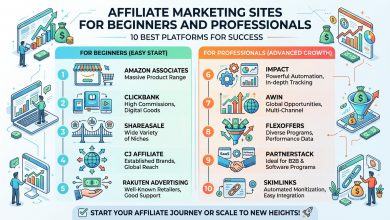
| Affiliate Network | Acts as an intermediary; provides tracking, reporting, payment processing; connects merchants and affiliates. | ShareASale, CJ Affiliate, Rakuten Advertising, Amazon Associates. |
| Customer | The end-user who purchases or takes action after clicking an affiliate link. | Online shoppers, subscribers, lead generators. |
| Affiliate Program Manager / Agency (Optional) | Manages the affiliate program for a merchant; recruits affiliates; optimizes campaigns. | In-house teams, specialized affiliate management agencies. |
The Merchant, also known as the advertiser, is at the heart of any affiliate marketing program. This entity, whether a large corporation or a solo entrepreneur, offers the product or service and seeks to expand its market reach and increase sales. Merchants are responsible for creating the products, defining the commission structures, and supplying affiliates with necessary promotional materials such as banners, product links, and content guidelines.
The Affiliate, or publisher, is the individual or company that promotes the merchant’s offerings. Affiliates leverage their platforms—which can range from blogs and YouTube channels to Instagram, LinkedIn, and TikTok—to engage their audience and direct them towards the merchant’s products. They are compensated for each successful conversion generated through their unique affiliate links, acting as brand promoters who share products with their audience in exchange for a commission. Building trust and credibility with their followers is paramount for affiliates to achieve long-term success.
Affiliate Networks serve as crucial platforms that bridge the gap between merchants and affiliates. They offer the technological infrastructure for tracking clicks, conversions, and commissions, thus ensuring transparency and accuracy in the performance-based model. Networks also streamline the payment process and often provide tools and resources to help both parties optimize their campaigns. Amazon Associates, for instance, is recognized as one of the largest networks, boasting hundreds of thousands of active partners.
Finally, the Customer completes the cycle. Without the customer’s decision to click an affiliate link and make a purchase or complete another desired action, the entire system would not function. Their interaction is what drives the commissions and validates the affiliate’s promotional efforts.
While often part of the merchant’s team or an outsourced agency, the Affiliate Program Manager or Affiliate Management Agency oversees the affiliate program. Their responsibilities include recruiting new affiliates, ensuring compliance, optimizing campaigns, and maintaining strong communication with affiliates to foster productive relationships.
Diverse Approaches: Types of Affiliate Marketing
Affiliate marketing is not a monolithic strategy; it encompasses various approaches that cater to different business models and affiliate strengths. Understanding these types helps both merchants and affiliates align their efforts for maximum impact. The models typically involve pay-per-click, pay-per-lead, or pay-per-sale structures, influencing how commissions are earned.
Content Affiliate Marketing
One of the most prevalent forms, content affiliate marketing, involves affiliates creating valuable content such as blog posts, articles, reviews, tutorials, and videos that naturally incorporate affiliate links. The goal is to provide useful information to an audience and organically guide them towards purchasing products or services. This strategy emphasizes building trust and authority within a specific niche. For example, a tech blogger reviewing the latest gadgets and including links to purchase them on an e-commerce site is engaged in content affiliate marketing. The success hinges on the affiliate’s ability to create engaging content that drives traffic and encourages action.
Influencer Marketing as Affiliate Marketing
A significant segment of affiliate marketing today is driven by influencers, particularly those on social media platforms like Instagram, YouTube, and TikTok. These individuals leverage their large followings and credibility to promote products. Brands pay influencers to showcase products, and if the influencer’s audience makes a purchase through a unique link or code, the influencer earns a commission. This method thrives on authenticity and the personal connection influencers have with their followers. The rise of micro-influencers—niche content creators with highly engaged, smaller audiences—is a notable trend, as they often drive more authentic and effective campaigns.
Email Marketing
Affiliates with established email lists can use email marketing to promote products and services to their subscribers. This often involves sending out newsletters with product recommendations, special offers, or exclusive content that includes affiliate links. The effectiveness of email marketing lies in the direct communication channel and the ability to target a highly interested audience. Affiliates must ensure their email campaigns provide value and do not appear spammy to maintain subscriber trust.
Search Engine Marketing (SEM) / Paid Search
In this model, affiliates use paid advertising, such as Google Ads or other PPC (Pay-Per-Click) platforms, to drive traffic to merchant websites. They bid on keywords and create ads that feature affiliate links, hoping to capture users searching for specific products. This approach can be highly effective for generating quick traffic and sales, but it requires careful management of ad spend and an understanding of PPC strategies. It’s often associated with “unattached” affiliate marketing, where the affiliate may not have direct experience with the product but aims for quick conversions.
Coupon and Deal Sites
These websites specialize in aggregating discounts, coupons, and deals for various products and services. They attract users actively looking for savings. When a user finds a deal and clicks through an affiliate link to make a purchase, the coupon site earns a commission. This model is particularly effective during peak shopping seasons and appeals to price-sensitive consumers. Loyalty and voucher partners are significant drivers of transactions in affiliate marketing, often capturing shoppers at the final checkout moment.
Review Websites
Dedicated review websites compare and contrast different products or services within a specific niche. These sites build authority by offering in-depth analyses, pros, and cons, and often rankings of various offerings. They monetize through affiliate links embedded within their reviews. Consumers often consult these sites before making purchasing decisions, making them a powerful source of targeted traffic.
Unlocking Opportunities: Benefits for Merchants and Affiliates

Affiliate marketing offers a multitude of advantages for both businesses seeking to expand their market presence and individuals aiming to generate income online. This mutually beneficial model has contributed significantly to its widespread adoption and continued growth, with a projected market value reaching $48 billion globally by 2027.
Benefits for Merchants (Advertisers)
- Low Cost and Low Risk: One of the primary attractions of affiliate marketing for businesses is its cost-effectiveness. Merchants typically only pay commissions when a sale or a desired action occurs, making it a performance-based, low-risk marketing strategy. This eliminates the need for substantial upfront investment in advertising campaigns that may not yield results.
- Expanded Reach and Targeted Traffic: Affiliates allow businesses to tap into new markets and diverse audiences that they might not otherwise reach. By partnering with affiliates who have established credibility within specific niches, merchants can attract highly targeted traffic of individuals already interested in related products or services.
- Increased Brand Awareness: Even if a click doesn’t immediately result in a sale, exposure through various affiliate channels contributes to enhanced brand visibility and recognition. This broader exposure helps businesses build brand awareness among an engaged audience.
- High Return on Investment (ROI): Due to its performance-based nature, affiliate marketing often delivers a high ROI. Businesses effectively pay for outcomes rather than inputs, maximizing their return on marketing spend. Some reports indicate businesses earn an average of $6.50 for every $1 spent on affiliate marketing.
- Scalability: Affiliate programs are highly scalable. Businesses can recruit numerous affiliates and expand their marketing efforts without significantly increasing their in-house marketing team or budget. This flexibility allows for rapid expansion and adaptation to market demands.
According to research from the Performance Marketing Association and London Research, US affiliate marketing spending soared to $13.63 billion in 2024, representing a substantial 49.8% gain from 2021. This growth significantly outpaces the broader e-commerce market, underscoring the channel’s increasing effectiveness and the confidence brands place in it as an essential component of their digital marketing mix. More than 80% of brands use affiliate marketing to drive leads and sales.
Benefits for Affiliates (Publishers)
- Passive Income Potential: Once content with affiliate links is created and optimized, it can continue to generate income over time without constant active management. This makes it an attractive source of passive income.
- Flexibility and Independence: Affiliates enjoy significant flexibility, working on their own schedule and from any location. This freedom allows individuals to build a business that fits their lifestyle without being tied to a desk or fixed hours.
- Low Startup Costs: Becoming an affiliate marketer typically requires little to no upfront investment. Unlike starting a traditional business, affiliates don’t need to develop products, manage inventory, or handle customer service.
- No Product Creation or Customer Support: Affiliates focus solely on marketing and promotion. They are not responsible for product development, manufacturing, shipping, or providing customer service, which simplifies their operational responsibilities.
- Performance-Based Rewards: Affiliates are directly rewarded for their efforts. The more effective their marketing strategies, the higher their commissions, providing a clear incentive for success. This incentivizes affiliates to create high-quality, engaging content that genuinely resonates with their audience.
- Access to Diverse Products: Affiliates can choose to promote products and services from a wide array of merchants and industries, allowing them to diversify their income streams and align promotions with their niche and audience interests.
The affiliate industry’s value is expected to rise significantly, reaching nearly $40 billion by 2031, indicating a lucrative future for both brands and affiliates. For further reading on the broader economic impact and trends in digital marketing, one might consult authoritative sources like Reuters’ analysis of tech and marketing industries.
Navigating the Landscape: Challenges and Best Practices
While affiliate marketing offers substantial opportunities, it is not without its challenges. Both merchants and affiliates must navigate a complex landscape to achieve sustainable success. Understanding these obstacles and adopting best practices are crucial for maximizing the benefits of this performance-based marketing channel.
Common Challenges in Affiliate Marketing
- Difficulty Attracting Traffic: For affiliates, generating consistent and high-quality web traffic to their platforms can be challenging amidst intense online competition. Merchants also struggle with finding the right affiliate partners who can genuinely drive valuable traffic.
- Low Conversion Rates: Even with traffic, converting visitors into paying customers can be difficult, especially if the promoted product is expensive or unfamiliar. This often stems from a lack of trust or misalignment between the affiliate’s audience and the product.
- Limited Control Over the Product/Service: Affiliates have no direct control over the quality or reputation of the products they promote. A poor-quality product or negative brand image can damage the affiliate’s credibility.
- Dependence on the Merchant: Affiliates rely on merchants for accurate tracking, timely payments, and program updates. Issues with communication or reliability from the merchant can disrupt campaigns and erode trust.
- Competition from Other Affiliates: The popularity of affiliate marketing means a crowded marketplace. Affiliates must work to stand out and differentiate their promotional efforts from numerous competitors.
- Affiliate Fraud: Both merchants and networks face the challenge of preventing fraudulent activities, such as link hijacking or PPC fraud, which can inflate costs and distort performance data.
- Maintaining Brand Integrity: Merchants need to ensure that affiliates promote their products in a manner consistent with their brand values and guidelines. Poor partner selection can damage brand reputation and lead to compliance violations.
- Tracking and Analytics Issues: Accurately tracking conversions across various platforms and devices can be complex, leading to disputes over commissions or an incomplete understanding of campaign performance.
Best Practices for Success
For Affiliates:
- Build a Niche and Authority: Focus on a specific niche where you can become an expert and build a loyal audience. Promote products that you genuinely use and believe in, as authenticity fosters trust.
- Create High-Quality, Valuable Content: Provide informative, engaging, and keyword-rich content (e.g., detailed reviews, tutorials, comparisons) that helps your audience make informed decisions. This not only attracts traffic but also encourages conversions.
- Understand Your Audience: Tailor your promotions to the needs and interests of your target audience. The best affiliates deeply understand their followers and share partnerships authentically.
- Diversify Traffic Sources: Don’t rely solely on one platform. Utilize a mix of blogs, social media (like YouTube, Instagram), email marketing, and SEO to drive traffic.
- Optimize for SEO: Implement strong SEO practices to ensure your content ranks well in search engines, driving organic traffic to your affiliate links.
- Maintain Transparency: Always disclose your affiliate relationships to your audience. This builds trust and complies with regulatory guidelines.
- Start Small and Intentional: Especially for beginners, focus on promoting one or two products you genuinely love and understand before expanding.
For Merchants:
- Strategic Partner Selection: Carefully vet potential affiliates to ensure they align with your brand values and audience demographics. Quality often trumps quantity in affiliate partnerships.
- Clear Communication and Support: Provide affiliates with all necessary resources, clear guidelines, transparent tracking data, and prompt communication. A strong relationship with affiliates is key to their motivation and performance.
- Competitive Commission Structures: Offer attractive commission rates that incentivize affiliates to promote your products actively. Consider tiered, performance-based, or product-specific structures.
- Robust Tracking and Attribution: Invest in reliable affiliate tracking software to accurately monitor performance and ensure affiliates are credited fairly for their contributions. Enhanced attribution models are a future trend.
- Ongoing Optimization: Continuously monitor program performance, identify top-performing affiliates and products, and optimize campaigns based on data insights.
- Fraud Prevention: Implement tools and strategies to detect and prevent affiliate fraud, protecting your budget and data integrity.
By proactively addressing these challenges and implementing these best practices, both merchants and affiliates can forge strong, profitable partnerships and navigate the evolving affiliate marketing landscape successfully. For instance, brands that prioritize supporting affiliates from the outset and fostering community-based marketing often see better results.
Measuring Success and Future Trends in Affiliate Marketing

Measuring the success of affiliate marketing campaigns goes beyond just tracking sales; it involves a holistic look at various metrics and understanding how these programs contribute to overall business objectives. Simultaneously, the industry is constantly evolving, with several key trends poised to shape its future. In 2025, clicks grew by 2% year-over-year, while conversion rates saw a 6% decrease, indicating that shoppers are researching more extensively before making a purchase.
Measuring Success
Effective measurement in affiliate marketing relies on robust tracking and analytics. Key Performance Indicators (KPIs) typically include:
- Conversion Rate: The percentage of clicks that result in a desired action (e.g., sale, lead).
- Click-Through Rate (CTR): The percentage of impressions that result in a click on the affiliate link.
- Return on Investment (ROI): The profitability of the affiliate program, calculated by comparing revenue generated to costs incurred (commissions, platform fees).
- Average Order Value (AOV): The average amount spent per transaction, which helps assess the quality of conversions.
- Customer Lifetime Value (CLV): For merchants, understanding the long-term value of customers acquired through affiliate channels is crucial for strategic planning.
- Traffic Volume and Quality: Beyond raw numbers, assessing the relevance and engagement of the traffic driven by affiliates is vital.
Improved tracking and multi-touch attribution models are becoming increasingly important, providing better insights into the entire customer journey and ensuring affiliates are fairly compensated for their contributions.
Future Trends in Affiliate Marketing
The affiliate marketing landscape is dynamic, driven by technological advancements, shifts in consumer behavior, and evolving digital marketing strategies. Several trends are expected to define its trajectory up to 2026 and beyond:
- AI-Driven Automation: Artificial intelligence is set to play a larger role in affiliate marketing, impacting content creation, campaign optimization, and predictive analytics. AI tools help affiliates improve targeting, efficiency, and content quality. This also includes streamlining tasks that were historically manual.
- Enhanced Attribution Models: The industry will see a greater focus on more sophisticated attribution models that give credit to all touchpoints in the customer journey, moving beyond last-click attribution. This ensures fair payouts and a clearer understanding of affiliate impact.
- Rise of Micro and Nano-Influencers: Brands are increasingly partnering with niche content creators and micro-influencers. Their authentic engagement with highly specific audiences often leads to more effective and trustworthy campaigns compared to macro-influencers.
- Increased Focus on Video and Podcast Affiliates: As content consumption shifts, more brands will focus on partnering with affiliates who produce video content (e.g., YouTube) and podcasts, leveraging these engaging formats for product promotion.
- Data-Driven Strategies: Both merchants and affiliates will become more data-driven than ever, utilizing advanced analytics to make informed decisions, optimize campaigns, and personalize promotions.
- Privacy and Data Changes: With increasing concerns about data privacy and evolving regulations, affiliate marketing will need to adapt to new standards, potentially impacting tracking methods and data collection practices.
- Mobile-First Approach: Mobile traffic already accounts for a significant portion of affiliate-driven visits (around 62%). The emphasis on mobile optimization, including mobile-friendly content and seamless user experiences, will continue to grow.
- Integration with Broader Digital Marketing: Affiliate marketing will further integrate with other digital marketing channels, such as SEO, social media, and content marketing, creating more cohesive and powerful strategies. Social media, in particular, will play an even more significant role in driving affiliate sales.
- Brand-to-Brand Partnerships: We may see an increase in brands collaborating directly with other brands within the affiliate space, creating synergistic promotional opportunities.
The affiliate marketing industry’s continuous growth, projected to reach $27.78 billion by 2027 with a compound annual growth rate of 15.44%, underscores its resilience and adaptability. As technology advances and consumer behaviors evolve, staying abreast of these trends will be critical for anyone involved in this lucrative channel.
Conclusion
Affiliate marketing has firmly established itself as an indispensable component of the digital economy, offering a flexible, performance-driven approach to advertising and income generation. Its core principle of rewarding outcomes rather than inputs creates a powerful incentive for collaboration between merchants and affiliates, fostering a mutually beneficial ecosystem. From its low startup costs and expansive reach for businesses to its potential for passive income and entrepreneurial freedom for individuals, the benefits are clear and compelling.
Despite challenges such as navigating competition, ensuring brand integrity, and combating fraud, the industry continues its impressive growth trajectory, driven by innovation and adaptability. The future of affiliate marketing appears bright, characterized by increasing integration of AI, sophisticated attribution models, the growing influence of micro-creators, and a steadfast focus on data-driven strategies. As the digital landscape continues to evolve, those who embrace these trends and adhere to best practices—building trust, creating valuable content, and fostering strong partnerships—will be well-positioned to harness the immense potential of affiliate marketing and contribute to its ongoing success.