10 Powerful Ways Affiliates Can Boost Your Online Earnings
Table of Contents
Affiliates, and the broader concept of affiliate marketing, represent a dynamic and rapidly expanding sector within the digital marketing landscape. It is a performance-based marketing strategy where businesses reward one or more affiliates for each visitor or customer brought about by the affiliate’s own marketing efforts. In essence, it involves promoting another business’s products or services online in return for a commission on each sale or lead generated. This model has proven exceptionally effective, transforming how brands connect with consumers and offering individuals a flexible pathway to generate income online. The global affiliate marketing industry is experiencing significant growth, with its value estimated at over $20 billion in 2026, projected to reach $27.78 billion by 2027. This upward trajectory underscores its increasing importance as a core growth channel for a vast majority of online businesses, with an estimated 84% of brands already running an affiliate program.
What is Affiliate Marketing? A Foundational Understanding
Affiliate marketing is a revenue-sharing marketing method where a third-party affiliate, such as a blogger, YouTuber, or influencer, advertises a business’s goods or services to help it meet sales or marketing goals. For generating sales, the affiliate earns commissions or rewards. It is a system built on strategic partnerships and trust, where a partner promotes a product or service they genuinely believe in to their audience.
The core concept revolves around measurable actions. Brands compensate affiliates only when a desired action occurs, such as a sale, sign-up, or lead. This performance-based approach makes it a highly attractive and low-risk advertising model for businesses, as they only pay for results, not just impressions or reach. For affiliates, it presents an opportunity to earn passive income by leveraging their online presence and audience without needing to create their own products or handle customer service.
Key Players in the Affiliate Ecosystem
The affiliate marketing model typically involves four main actors working in concert to drive sales and revenue:
- The Merchant (or Advertiser): This is the company or individual that creates the product or service being marketed. The merchant sets up an affiliate program, defines the commission structure, and provides affiliates with the necessary marketing materials and tracking tools. Their primary goal is to increase sales and brand awareness through the extended reach of their affiliates.
- The Affiliate (or Publisher): The affiliate is the individual or company that promotes the merchant’s products or services. Affiliates can range from content creators (bloggers, YouTubers, podcasters), social media influencers, email marketers, review sites, and coupon sites, among others. They use unique affiliate links to direct traffic to the merchant’s website and earn a commission for successful conversions.
- The Consumer: The end-user who ultimately makes a purchase or completes a desired action as a result of the affiliate’s promotion. The affiliate model benefits consumers by often providing them with trusted recommendations, reviews, and sometimes exclusive deals or discounts.
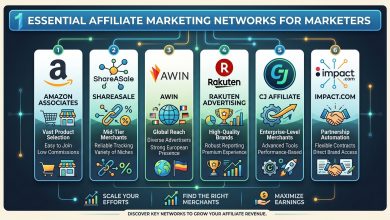
- The Affiliate Network: These platforms act as intermediaries between merchants and affiliates. Affiliate networks provide tracking technology, payment processing, reporting tools, and a directory of programs, simplifying the management for both parties. Examples include ShareASale, CJ Affiliate, Rakuten Advertising, and Impact.com. While not always mandatory, networks streamline the process, especially for larger programs.
How Affiliate Marketing Works: The Mechanics of Referral
The process behind affiliate marketing is straightforward, yet sophisticated in its tracking and attribution. Here’s a step-by-step breakdown:
- Joining an Affiliate Program: An individual or business interested in becoming an affiliate applies to a merchant’s affiliate program, either directly or through an affiliate network. Once approved, they gain access to promotional materials.
- Receiving Unique Affiliate Links: Each affiliate is provided with unique tracking links or codes. These links are crucial for attributing sales or leads back to the correct affiliate.
- Promoting Products/Services: The affiliate integrates these links into their content, which can include blog posts, product reviews, social media updates, email newsletters, videos, or banner ads. The goal is to present the product or service to their audience in a compelling and valuable way.
- Consumer Action: When a consumer clicks on an affiliate link, a cookie is typically placed on their device. This cookie tracks their activity on the merchant’s website, including whether they make a purchase or complete another desired action.
- Tracking and Attribution: If the consumer makes a purchase or completes a predefined action, the affiliate network or merchant’s tracking system records the transaction and attributes it to the corresponding affiliate based on the unique link and cookie data.
- Commission Payout: Once the sale is verified, the affiliate earns a commission, which is then paid out by the merchant or the affiliate network according to the agreed-upon commission structure.
This systematic approach ensures that affiliates are fairly rewarded for their efforts, making it a truly performance-based channel.
Types of Affiliate Marketing and Commission Models
Affiliate marketing encompasses various approaches and payment structures. Pat Flynn, a renowned affiliate marketer, categorized affiliate marketing into three types: unattached, related, and involved. Beyond these, the payment models are critical for both merchants and affiliates.
Types of Affiliate Marketing:
- Unattached Affiliate Marketing: In this model, the affiliate has no personal connection or authority in the niche of the product they are promoting. They simply place ads or links in hopes of driving traffic and sales. This approach requires minimal effort but often yields lower conversion rates due to a lack of trust and authenticity.
- Related Affiliate Marketing: Here, the affiliate has an audience related to the product or service, but they may not necessarily use the product themselves. For instance, a cleaning YouTuber promoting a new detergent falls into this category. While the affiliate may not personally endorse the product through direct experience, their content niche aligns with the product’s target audience, lending some credibility.
- Involved Affiliate Marketing: This is the most trusted form, where the affiliate has personal experience with the product or service and genuinely recommends it to their audience. This often leads to higher conversion rates because the affiliate’s authority and trustworthiness are combined with genuine personal experience.
Common Commission Models:
Commission structures are the rules that dictate how much an affiliate earns, when they earn it, and what actions trigger a payout. Most programs typically pay between 5% and 30% per sale, though digital products and SaaS can offer significantly higher rates.
| Commission Model | Description | Best Suited For | Advantages | Disadvantages |
|---|---|---|---|---|
| Cost Per Sale (CPS) | Affiliates earn a percentage of the sale price when a customer purchases through their link. This is the most common model. | E-commerce, DTC brands, high-ticket items. | Directly aligns payouts with revenue; low risk for merchants. | Conversion can be harder to track; sales cycles can be long. |
| Cost Per Lead (CPL) | Affiliates are paid for generating a qualified lead, such as a form submission, newsletter sign-up, or software download. | Service-based businesses, software companies, lead generation campaigns. | Rewards for earlier stages of the sales funnel; easier to track. | Leads may not always convert to sales; potential for lower quality leads. |
| Cost Per Click (CPC) | Affiliates earn a fixed amount for every click on their affiliate link, regardless of whether a sale occurs. Less common in modern affiliate marketing due to higher fraud risk. | High-traffic websites looking to monetize clicks directly. | Simple to implement; immediate payout for clicks. | High risk of click fraud; less focus on conversion quality for affiliates. |
| Recurring Commissions | Affiliates earn a commission for initial sales and subsequent recurring payments (e.g., monthly subscriptions). | SaaS products, subscription services, membership sites. | Creates a steady, long-term income stream for affiliates; incentivizes customer retention. | Requires products with subscription models; initial payouts might be lower. |
| Tiered Commissions | Commission rates increase as affiliates achieve certain performance milestones (e.g., higher sales volume). | Programs aiming to motivate top-performing affiliates. | Incentivizes higher performance; rewards loyal and effective affiliates. | Can be complex to manage; smaller affiliates may feel discouraged. |
Benefits for Merchants and Affiliates

The widespread adoption and growth of affiliate marketing are driven by significant advantages for both the businesses promoting their products and the individuals or entities doing the promoting. The global affiliate marketing market size is projected to reach $27.78 billion by 2027, growing at roughly a 15.44 percent compound annual rate.
Benefits for Merchants (Advertisers):
- Cost-Effective and Low Risk: Merchants pay commissions only for actual sales or leads, making it an economical strategy. There’s no upfront cost for advertising, significantly reducing financial risk. This model offers a strong return on investment (ROI), with some reports indicating an average return of $15 for every $1 spent.
- Expanded Reach and Brand Awareness: Affiliates allow brands to tap into diverse, targeted audiences they might not otherwise reach, effectively acting as an extension of the brand’s marketing department. This exposure can significantly increase brand visibility and awareness.
- Targeted Traffic and Sales: Affiliates often have specialized niches and established trust with their audience, ensuring that the traffic they send to a merchant’s site is highly relevant and more likely to convert.
- Measurable Results: Affiliate programs offer real-time tracking of impressions, clicks, and sales, providing clear data on performance and allowing businesses to optimize their strategies effectively.
- Flexibility and Scalability: Businesses can easily scale their affiliate programs up or down based on performance and seasonal demands. They can work with a vast network of affiliates without needing to manage a large internal marketing team.
- Social Proof and Credibility: When trusted bloggers, influencers, or review sites endorse a product, it provides valuable social proof, which is a crucial factor in consumer purchase decisions.
Benefits for Affiliates (Publishers):
- Passive Income Potential: Once content with affiliate links is created, it can continue to generate income over time, allowing affiliates to earn money even when not actively working.
- Low Barrier to Entry: Becoming an affiliate marketer typically requires little to no upfront investment. Affiliates don’t need to create their own products, manage inventory, or handle customer service.
- Flexibility and Independence: Affiliates can work from anywhere, set their own hours, and choose the products they wish to promote, offering significant freedom and control over their work.
- No Inventory or Shipping: Affiliates focus solely on the marketing aspect; the merchant handles product creation, inventory, shipping, and customer support.
- Earning Potential Across Various Industries: Affiliate marketing offers earning potential in a wide range of industries, allowing individuals to monetize their passions and expertise.
- Skill Development: Affiliates gain valuable skills in content creation, SEO, digital advertising, audience engagement, and analytics, which can be beneficial for other ventures.
Challenges and Best Practices for Success
Despite its numerous advantages, affiliate marketing is not without its challenges. Successfully navigating these obstacles requires strategic planning and a commitment to best practices. The industry continues to evolve, with an estimated $19.4 billion in worldwide affiliate spend in 2026.
Common Challenges in Affiliate Marketing:
- Finding Quality Partners: One of the biggest hurdles for merchants is identifying and recruiting high-quality affiliate partners who align with their brand values and target audience.
- Fraud Prevention: Affiliate fraud, which can include fake clicks, fabricated leads, or cookie stuffing, poses a significant threat, costing the industry billions annually. In 2025, total affiliate fraud cost was estimated at $3.4 billion, representing 17.3% of global affiliate spend. Protecting programs from fraudulent activities is paramount.
- Brand Consistency and Control: Maintaining brand integrity and ensuring consistent messaging across a diverse network of affiliates can be challenging.
- Attribution and Tracking: Accurately tracking conversions across various channels and devices, especially in a multi-touch customer journey, can be complex.
- Commission Structure Optimization: Setting competitive yet profitable commission rates that motivate affiliates without eroding margins requires careful consideration.
- Regulatory Compliance: Both merchants and affiliates must adhere to advertising standards set by regulatory bodies like the Federal Trade Commission (FTC), which requires clear and conspicuous disclosures of affiliate relationships. Non-compliance can lead to penalties and damage to reputation.
- Competition: The popularity of affiliate marketing means a crowded marketplace, making it harder for new affiliates to stand out and for merchants to attract top-tier partners.
Best Practices for Merchants:
- Clear Program Guidelines: Establish clear terms and conditions, commission structures, and brand usage guidelines.
- Robust Tracking and Analytics: Utilize reliable affiliate management platforms to ensure accurate tracking, reporting, and fraud detection.
- Strong Affiliate Relationships: Actively communicate with affiliates, provide them with engaging content ideas, exclusive offers, and timely support. Foster a sense of partnership.
- Competitive Commissions: Offer attractive commission rates that incentivize performance and align with industry benchmarks. For instance, physical goods typically pay 5% to 15% per sale, while digital products can range from 20% to 50%.
- Transparency and Compliance: Ensure all affiliates understand and comply with disclosure requirements (e.g., FTC guidelines) and data privacy regulations like GDPR.
- Provide Value: Offer affiliates high-quality products, compelling creatives, and unique landing pages to help them succeed.
Best Practices for Affiliates:
- Choose a Niche: Focus on a specific niche where you have expertise or genuine interest to build authority and trust with your audience.
- Promote Relevant Products: Only endorse products or services you genuinely believe in and that are relevant to your audience’s interests. Authenticity is key.
- Create High-Quality Content: Provide valuable, informative, and engaging content that naturally integrates affiliate links, rather than simply pushing products.
- Be Transparent: Always clearly disclose your affiliate relationship to your audience. This builds trust and complies with legal requirements.
- Diversify Traffic Sources: Don’t rely on a single platform or traffic method. Explore various channels like SEO, social media, email marketing, and paid ads.
- Analyze Performance: Regularly review your analytics to understand what content and promotions perform best, and optimize your strategies accordingly.
- Stay Updated: The digital marketing landscape is constantly changing. Keep up with industry trends, algorithm updates, and regulatory changes.
The Future of Affiliate Marketing: Trends and Innovations

The affiliate marketing industry is dynamic, continually adapting to new technologies and evolving consumer behaviors. Looking ahead to 2026 and beyond, several key trends are set to shape its future trajectory.
The global affiliate marketing industry is forecast to grow at roughly a 15.2 percent CAGR, reaching $82.64 billion by 2035. This significant growth is fueled by ongoing innovations and broader adoption. Over 90% of e-commerce businesses are expected to adopt affiliate marketing by 2026, especially in retail and direct-to-consumer markets.
- AI and Automation: Artificial intelligence is poised to play an increasingly larger role in affiliate marketing. AI-powered tools will assist with content creation, campaign optimization, predictive analytics, and even identifying ideal partners. Automation will streamline tasks that were historically manual, enhancing efficiency for both merchants and affiliates.
- Authenticity and Micro/Nano Influencers: There’s a growing emphasis on genuine content creators and authentic recommendations. Brands are increasingly partnering with micro and nano-influencers who, despite smaller follower counts, often have highly engaged and trusting audiences. This shift prioritizes connection over sheer size, leading to more effective campaigns.
- Enhanced Attribution Models: As customer journeys become more complex, improved tracking and multi-touch attribution models will provide better insights into how different affiliates contribute to a conversion. This ensures fairer payouts for partners across the entire funnel.
- Global Market Expansion: While the US market remains substantial (expected to hit nearly $16 billion by 2028), significant growth is projected in emerging global markets, particularly in regions like Latin America. This presents new opportunities for cross-border affiliate partnerships.
- Video Content and Livestream Shopping: The rise of shoppable video platforms like TikTok Shop, YouTube Shopping, and Instagram Shopping indicates a strong trend towards visual commerce. Affiliate revenue from creator content, especially video, is growing significantly.
- B2B Affiliate Partnerships: While often associated with B2C, affiliate marketing is increasingly gaining traction in the Business-to-Business (B2B) sector. B2B partnerships offer unique opportunities for lead generation and solution promotion, particularly for SaaS products.
- Data-Driven Strategies: Leveraging insights from analytics to refine strategies, personalize content, and improve targeting will become even more critical for success in a competitive landscape.
As the costs of traditional paid media channels continue to rise, affiliate marketing stands out as a cost-effective alternative that delivers a strong ROI, prompting more brands to invest in this performance-based model. This makes understanding and adapting to these trends crucial for anyone involved in the affiliate space. For further comprehensive insights into affiliate marketing, its history, and key definitions, Wikipedia’s entry on Affiliate Marketing serves as an excellent foundational resource.
Conclusion
Affiliate marketing has firmly established itself as an indispensable component of the modern digital marketing ecosystem. Its performance-based nature offers unparalleled advantages for both merchants seeking to expand their reach and drive sales efficiently, and for individuals looking to generate income with flexibility and low overhead. As the industry continues its impressive growth trajectory, fueled by technological advancements like AI and a renewed focus on authentic content and diverse partnerships, its relevance will only intensify. Navigating the complexities of fraud, compliance, and evolving consumer behaviors requires vigilance and adherence to best practices, but the underlying principle of rewarding genuine referrals remains a powerful engine for economic growth and entrepreneurial opportunity. For those willing to adapt, innovate, and prioritize genuine value, the world of affiliates offers a fertile ground for sustained success in the digital age.