7 Proven Affiliate Marketing Tips to Earn More Online
Table of Contents
Affiliate marketing is a performance-based digital marketing strategy that has emerged as a powerful avenue for individuals and businesses alike to generate income online. In essence, it’s a revenue-sharing model where an individual or entity, known as an affiliate, promotes another business’s products or services and earns a commission for driving sales, leads, or traffic. This approach offers a mutually beneficial partnership: businesses gain cost-effective marketing and expanded reach, while affiliates can earn flexible income without the need to create their own products or handle customer service. The global affiliate marketing industry is robust, valued at over $17 billion and projected to grow significantly, reaching an estimated $27.78 billion by 2027. This growth underscores its increasing importance in the digital economy and presents substantial opportunities for those looking to tap into online revenue streams.
How Affiliate Marketing Works: The Core Mechanism
The operational mechanics of affiliate marketing are relatively straightforward, involving a seamless process designed to track and reward successful promotions. At its heart, an affiliate shares a unique tracking link or ad on their chosen platform. When a consumer clicks on this link and subsequently completes a desired action—such as making a purchase, filling out a form, or signing up for a service—the conversion is tracked, and the affiliate is then paid a commission. This tracking is typically handled by affiliate networks or specialized software that ensures accurate attribution of sales to the correct affiliate.
The commission percentages and payment structures can vary widely depending on the brand, industry, and the specific affiliate program. Commissions can range from a small percentage for high-volume consumer goods to higher rates for high-ticket items or services. The beauty of this system lies in its performance-based nature, meaning businesses only pay for actual outcomes, making it a highly efficient marketing channel.
Key Players in the Affiliate Ecosystem
The affiliate marketing ecosystem is a dynamic network comprising several essential participants, each with a distinct role that contributes to the overall success of the marketing campaign. Understanding these roles is crucial for anyone looking to engage with or optimize their affiliate marketing efforts.
- The Merchant (Advertiser or Retailer): This is the business or individual that sells the product or service. Merchants create affiliate programs to incentivize affiliates to promote their offerings. They are responsible for product development, inventory, shipping, and customer service. Advertisers benefit from extended reach and sales, often paying only for results rather than impressions.
- The Affiliate (Publisher or Partner): The affiliate is an individual or company that promotes the merchant’s products or services to their audience. This can be through various platforms like blogs, websites, social media channels, email lists, or YouTube channels. Affiliates leverage their influence and content to drive traffic and conversions, earning a commission for their efforts.
- The Consumer (Customer): The consumer is the end-user who discovers a product or service through the affiliate’s promotion and ultimately makes a purchase or completes another desired action. Consumers are integral to the ecosystem, as their actions trigger the commission payouts. Trust and authenticity from the affiliate play a significant role in influencing consumer purchasing decisions.
- The Affiliate Network: Affiliate networks act as intermediaries, connecting merchants with affiliates. They provide the necessary technology for tracking, reporting, and payment processing. Networks host various affiliate programs, allowing affiliates to easily find products relevant to their niche and merchants to manage multiple affiliate partnerships from a single platform. Examples include Amazon Associates, ClickBank, ShareASale, and CJ Affiliate. Some also offer resources and support to help optimize campaigns.
- Affiliate Management Agencies: These are third-party entities hired by merchants to manage their affiliate programs. They assist with recruiting affiliates, negotiating commissions, providing promotional materials, and tracking conversions, offering a hands-off approach for businesses.
Types of Affiliate Marketing Models
Affiliate marketing programs employ various commission structures, each designed to compensate affiliates based on different actions taken by the consumer. Understanding these models is key to selecting the right approach for both merchants and affiliates.
| Commission Model | Description | Pros for Affiliate | Cons for Affiliate |
|---|---|---|---|
| Pay-Per-Sale (PPS) | Affiliate earns a percentage of the sale price when a customer purchases through their unique link. This is the most common model. | Highest potential earnings per conversion. | Requires a completed sale, which can have lower conversion rates than clicks or leads. |
| Pay-Per-Lead (PPL) | Affiliate is paid when they generate a qualified lead, such as a customer filling out a form, signing up for a newsletter, or requesting a quote. | Easier to achieve than a sale, as it doesn’t require a financial transaction from the customer. | Lower commission per action compared to PPS; requires lead quality to be high. |
| Pay-Per-Click (PPC) | Affiliate earns a small commission each time a user clicks on their affiliate link, regardless of whether a sale or lead occurs. | Generates immediate, though small, earnings per click; simpler to implement. | Very low commission rates; requires high traffic volumes to be profitable; susceptible to click fraud. |
| Pay-Per-Install (PPI) | Affiliate earns a commission when a user installs an application through their promotional efforts. Common in mobile app marketing. | Relatively easy conversion as it’s a free action for the user. | Commission rates can vary widely, typically $0.50-$5 per install. |
Choosing Your Niche and Products: The Foundation of Success
Selecting the right niche is arguably the most critical first step in an affiliate marketing journey. A well-chosen niche defines your target audience, guides your content creation, and significantly impacts your potential for success.
Identifying Profitable Niches
To choose a profitable niche, consider a blend of personal interest, market demand, and competition levels.
- Passion and Expertise: Starting with a topic you are genuinely interested in or have expertise in makes content creation more enjoyable and authentic, which resonates with audiences and helps build trust.
- Market Demand and Scalability: Research the demand for products within potential niches. Tools like Google Keyword Planner and Google Trends can help identify popular search terms and long-term viability. Look for “evergreen” niches that address consistent human needs, such as health and wellness, personal finance, or home improvement, as these maintain relevance over time.
- Competition Analysis: While popular niches indicate demand, high competition can make it difficult for new affiliates to stand out. Use SEO tools to analyze competitors and look for underserved areas or sub-niches within broader markets. A niche with moderate competition but strong demand is often ideal. For example, instead of “painting,” focus on “acrylic painting for beginners”.
- Profitability Assessment: Evaluate the commission structures and product pricing within potential niches. Niches with high-ticket items or recurring revenue models can lead to substantial earnings, though lower-cost items might sell more frequently.
Researching Products/Services
Once a niche is identified, thorough product research is essential. Promote high-quality products that align with your audience’s needs and interests. Look for reputable affiliate programs offering competitive commissions and reliable support. Platforms like Amazon Associates, Skillshare, AWeber, and ConvertKit are well-known examples of successful affiliate programs. Always consider the product’s value and suitability for your audience; promoting products you genuinely believe in enhances credibility.
Building Your Affiliate Marketing Platform
A robust platform is crucial for effective affiliate marketing. Your platform serves as the primary channel for reaching your audience and delivering your promotional content.
- Website/Blog: A dedicated website or blog allows for in-depth content, SEO optimization, and the building of authority. It provides a stable home for product reviews, comparison guides, tutorials, and informational articles that naturally integrate affiliate links.
- Social Media: Platforms like Instagram, YouTube, TikTok, and Facebook are powerful for engaging audiences and promoting products through visual content, stories, and live streams. Influencer marketing, a close cousin to affiliate marketing, thrives on social media, with individuals promoting products to their large followings.
- Email Marketing: Building an email list allows for direct communication with a highly engaged audience. Email campaigns can deliver personalized recommendations, exclusive offers, and valuable content, leading to high ROI for affiliate marketers.
- YouTube/Video Content: Video reviews, unboxings, tutorials, and product demonstrations are highly effective, particularly for technology, beauty, and fitness niches. YouTube allows affiliates to visually showcase products and build a strong connection with their audience.
Strategies for Success in Affiliate Marketing

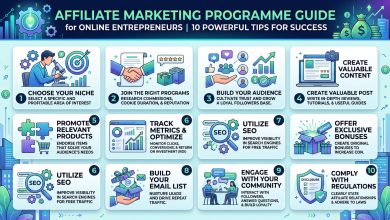
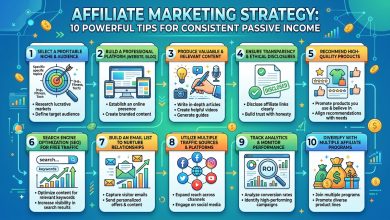
To thrive in the competitive landscape of affiliate marketing, strategic approaches are indispensable. Successful affiliates don’t just drop links; they build trust, provide value, and optimize their efforts.
- Content Creation: High-quality, informative, and engaging content is paramount. This includes detailed product reviews, how-to guides, comparisons, and problem-solving articles. Content marketing should aim to add value and build credibility before recommending products. Storytelling on social media, showcasing before-and-after results, or day-in-the-life reels can be particularly effective.
- SEO Optimization: Optimizing your content for search engines is critical for attracting organic traffic. This involves thorough keyword research and structuring your content to rank well for relevant queries. SEO remains a primary traffic source for a significant percentage of affiliate marketers.
- Paid Advertising: While organic strategies are vital, paid advertising through platforms like Google Ads or social media ads can rapidly drive targeted traffic to your affiliate offers. This can be particularly effective for scaling campaigns once an offer is proven to convert.
- Email List Building: Cultivating an email list allows for direct, consistent communication with your audience. This highly engaged channel provides an excellent opportunity for personalized promotions and nurturing leads, offering a high ROI for affiliate efforts.
- Transparency and Trust: Authenticity is key. Always disclose your affiliate relationships to your audience. Promoting products you genuinely use and believe in fosters trust and leads to higher conversion rates and long-term success.
- Landing Page Optimization: Creating dedicated landing pages for specific affiliate products can provide context, include personal testimonials, FAQs, and use your unique brand voice, making promotions feel more genuine and effective.
- Diversification: Relying on a single product, program, or traffic source can be risky. Diversifying across multiple affiliate programs and promotion channels can protect against policy changes and broaden income streams.
Common Affiliate Marketing Mistakes to Avoid
While affiliate marketing offers immense potential, beginners often encounter pitfalls that can hinder their progress. Recognizing and avoiding these common mistakes is crucial for sustainable success.
- Believing in “Get Rich Quick” Promises: Affiliate marketing requires patience, consistency, and strategic effort. It is not a get-rich-quick scheme. Setting realistic expectations and committing to long-term effort is essential.
- Picking the Wrong Niche: Choosing a niche without genuine interest or one that lacks sufficient demand or profitability can lead to burnout and wasted effort.
- Promoting Too Many Products Too Fast: Overloading your audience with too many recommendations can dilute your credibility and make your promotions seem disingenuous. Focus on a few quality products that you genuinely endorse.
- Ignoring SEO: Neglecting search engine optimization means your valuable content may not reach its intended audience. SEO is a critical component for free, compounding traffic.
- Prioritizing Quantity Over Quality: Pumping out generic or AI-generated content without genuine value or human review can lead to consumer skepticism and poor engagement. Quality, in-depth content builds authority and trust.
- Not Tracking Performance: Without analytics, it’s impossible to know what works. Tracking click-through rates, conversion rates, and revenue per content piece is vital for optimizing campaigns and identifying top-performing products.
- Lack of Transparency: Failing to disclose affiliate relationships can erode trust with your audience. Honesty builds credibility and long-term loyalty.
- Giving Up Too Soon: Success in affiliate marketing rarely happens overnight. Many beginners give up before seeing significant results. Persistence and continuous learning are key.
Future Trends in Affiliate Marketing

The affiliate marketing landscape is continuously evolving, driven by technological advancements and shifts in consumer behavior. Staying abreast of these trends is vital for long-term success.
- AI-Powered Automation and Personalization: Artificial intelligence is increasingly being used to optimize affiliate campaigns through enhanced data analysis, dynamic personalization, and improved targeting. AI tools can streamline content creation (e.g., first drafts, ideation), but human authenticity, product testing, and original storytelling remain crucial for credibility.
- Influencer Marketing Integration: The lines between traditional affiliate marketing and influencer marketing are blurring. Brands are increasingly partnering with influencers across social media platforms like TikTok, YouTube, and Instagram to leverage their engaged followings for product promotion, driving significant sales.
- Mobile Optimization: With over 62% of affiliate-driven traffic originating from mobile devices, optimizing content and user experience for mobile is no longer optional. In-app checkouts and short-form video content are dominating mobile discovery.
- First-Party Data and Attribution Models: The shift away from third-party cookies is leading to a greater reliance on first-party data and more sophisticated multi-touch attribution models. This ensures fairer payouts and more accurate tracking of the customer journey.
- Ethical Considerations and Transparency: As the industry grows, there’s a heightened focus on ethical practices, including clear disclosures of affiliate relationships. Building trust and maintaining authenticity will be more critical than ever.
For deeper insights into the evolving digital marketing landscape and its impact on performance-based strategies, resources like Wikipedia’s Digital Marketing page offer extensive information on various aspects, including affiliate marketing’s place within the broader context.
Conclusion
Affiliate marketing stands as a dynamic and rewarding pathway for generating online income, offering flexibility and scalability without the traditional complexities of product creation or fulfillment. From understanding its core mechanics involving merchants, affiliates, consumers, and networks, to strategically selecting a niche and building a robust platform, each step is crucial. Success hinges on a commitment to creating valuable content, optimizing for search engines, building authentic relationships, and continuously adapting to emerging trends such as AI integration and mobile-first strategies. By avoiding common pitfalls and embracing transparency and persistence, aspiring and established affiliate marketers can effectively tap into the significant opportunities presented by this ever-growing digital revenue stream. The global industry’s continuous expansion reaffirms affiliate marketing’s position as a vital component of the modern digital economy.