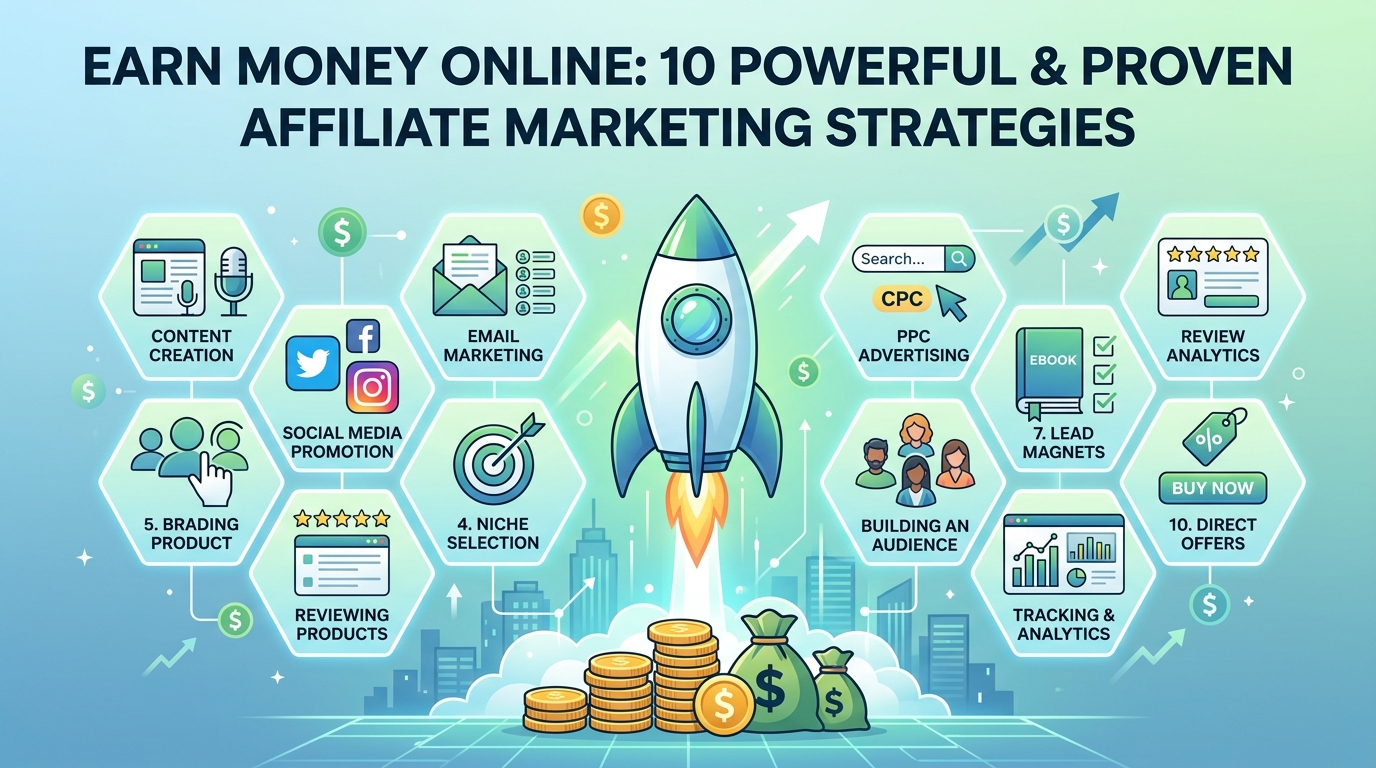
Earn Money Online: 10 Powerful and Proven Affiliate Marketing Strategies
Table of Contents
Table of Contents
- What is Affiliate Marketing?
- How Does Affiliate Marketing Work? The Ecosystem
- Key Benefits of Affiliate Marketing
- Choosing Your Niche and Products
- Building Your Platform and Audience
- Strategies for Effective Promotion
- Common Challenges and How to Overcome Them
- Maximizing Your Affiliate Earnings
- Conclusion
Affiliate marketing has emerged as a powerful and accessible pathway for individuals across the globe to earn money online, offering the unparalleled freedom to work from virtually any location with an internet connection. This performance-based marketing strategy allows you to partner with businesses and promote their products or services, earning a commission for every sale, lead, or click you generate through your unique efforts. It’s a win-win scenario: companies expand their reach and boost sales with minimal risk, while affiliates can monetize their online presence without the complexities of product creation, inventory management, or customer service. The affiliate marketing industry continues its rapid and steady growth, with the global market projected to reach $17 billion in 2025, an increase from $15.7 billion in 2024. This upward trajectory is backed by long-term estimates, indicating a robust and expanding landscape for prospective marketers.
What is Affiliate Marketing?
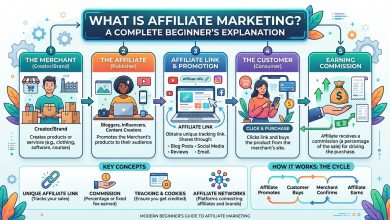
Affiliate marketing is a marketing arrangement in which affiliates receive a commission for each visit, signup, or sale they generate for a merchant. Essentially, it’s a type of performance-based marketing where businesses reward one or more affiliates for each visitor or customer brought by the affiliate’s own marketing efforts. This model allows businesses to essentially outsource part of their sales process. The core idea revolves around promoting another company’s products or services and earning a piece of the profit for each sale you facilitate. The commission is typically a percentage of the product’s price, but it can also be a fixed rate per referral.
This model involves three primary parties: the merchant (advertiser), the affiliate (publisher), and the consumer. The merchant is the company that sells products or services, such as software, clothing, or electronics. The affiliate is the individual or company that promotes and markets the advertiser’s products or services in exchange for a commission or similar reward. Finally, the consumer is the person who buys the advertiser’s products via the publisher’s efforts.
Affiliate marketing is not limited to a single channel; affiliates can promote products and services through various avenues including blogs, social media, email marketing, and video content. This diversity in marketing channels provides brands with multiple touchpoints to engage with potential customers, increasing the chances of conversions. For the affiliate, it offers a flexible approach to generating income, making it an attractive option for those looking to earn from anywhere.
How Does Affiliate Marketing Work? The Ecosystem
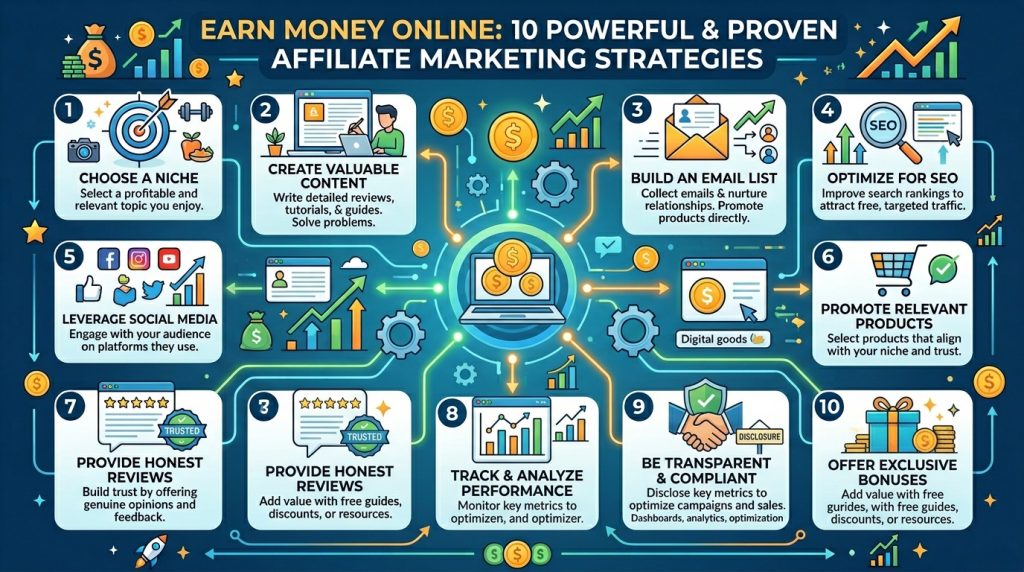
The process behind affiliate marketing is straightforward, yet it involves several interconnected steps to ensure tracking and payment are accurate. It begins when a merchant creates an affiliate program, often utilizing in-house software or commercial affiliate marketing tracking solutions to generate unique links for affiliates, monitor their performance, track sales, and process payments. Affiliates then join these programs and market the merchant’s products using these unique links.
When an affiliate shares an ad or link on their chosen platform, such as a website, blog, or social media channel, potential customers interact with it. If a customer clicks on this unique affiliate link and proceeds to make a purchase or complete a predefined action (like signing up for a newsletter or a free trial), the conversion is tracked, and the affiliate is paid a commission. This tracking is usually facilitated by cookies or unique URLs, which allow advertisers to identify which affiliate referred a specific purchase.
There are several payment models within affiliate marketing:
- Pay-Per-Sale (PPS)/Cost-Per-Sale (CPS): The affiliate earns a commission when a referred visitor makes a purchase on the merchant’s website. This is typically a percentage of the sale or a fixed amount.
- Pay-Per-Lead (PPL)/Cost-Per-Lead (CPL): The affiliate earns a commission for each qualified lead generated for the merchant. This often involves actions like completing a form, requesting a quote, or subscribing to a newsletter.
- Pay-Per-Click (PPC): Though less common in modern affiliate marketing, this model pays the affiliate based on the number of clicks on an advertisement, regardless of a sale.
- Pay-Per-Lifetime/Recurring Commissions: In this model, often seen with subscription-based products or services (like SaaS), the affiliate receives ongoing commissions for the customer’s entire lifetime with the merchant. This is considered highly lucrative for affiliates.
Many companies either run their own affiliate programs directly or utilize third-party affiliate networks. These networks act as intermediaries, providing a platform for merchants to list their products and for affiliates to find suitable programs. They often offer tools for reporting, payment processing, and campaign management, simplifying the process for both parties.
Key Benefits of Affiliate Marketing
Affiliate marketing offers a multitude of advantages for individuals seeking to generate income online, especially those desiring flexibility and remote work opportunities:
- Low Cost and Low Risk: Becoming an affiliate marketer requires little to no upfront investment. Unlike traditional businesses, there’s no need to create your own product, manage inventory, handle shipping, or deal with customer service. This significantly reduces the financial risk involved.
- Flexibility and Location Independence: One of the most appealing aspects is the ability to work from anywhere with an internet connection. This offers unparalleled freedom and control over your work environment and schedule, making it ideal for digital nomads, stay-at-home parents, or anyone seeking a flexible career.
- Passive Income Potential: While initial effort is required to set up and promote, affiliate marketing can generate passive income over time. Once your content and links are established, they can continue to drive sales and commissions without constant active involvement.
- Scalability: Affiliate marketing is relatively easy to scale. You can promote products from multiple companies simultaneously, diversify your niches, and expand your reach across various platforms to grow your income streams.
- No Customer Service or Product Development: Your primary role is marketing. Merchants handle all aspects of product creation, fulfillment, and customer support, freeing you from these often time-consuming responsibilities.
- Access to a Wide Range of Products: Affiliate networks and direct programs offer access to a vast array of products and services across almost every imaginable niche, allowing you to choose offerings that genuinely resonate with your audience and interests.
- Performance-Based Rewards: Your earnings are directly tied to your performance, providing a clear incentive and allowing high-performing affiliates to earn significant income. In fact, 35% of affiliates earn at least $20,000 per year, and approximately 1% earn more than $1 million, indicating strong earning potential.
Choosing Your Niche and Products
Selecting the right niche is paramount to success in affiliate marketing. A well-chosen niche allows you to build authority, attract a targeted audience, and create more relevant content. The most profitable niches in affiliate marketing often fall into categories with consistent human needs and high-value products or services.
According to recent trends, some of the most profitable niches for 2026 include:
- AI Tools & Automation (SaaS): This is currently considered the highest-growth niche, offering recurring commissions due to subscription-based models. AI writing tools, video tools, and business automation software are particularly strong.
- Personal Finance and Investment: People are consistently looking for ways to manage their finances, save, and grow wealth. This niche includes credit cards, loans, mortgages, insurance, and investment platforms, often with high-ticket values and substantial payouts.
- Health and Wellness: An evergreen market with constant demand for products and services that improve physical and mental well-being, including supplements, fitness apparel, workout equipment, and mental wellness apps.
- E-learning and Online Courses: The demand for digital education continues to grow, offering high payouts and often recurring commissions.
- Remote Work & Home Office: With the global shift to remote work, products and services supporting home offices and productivity tools remain highly profitable.
- Home Improvement & Smart Home: Consumers are investing more in their living spaces, leading to demand for smart home devices and DIY tools.
- Pet Care: A consistently reliable niche due to the enduring human-animal bond.
When choosing a niche, consider your own interests and expertise. Authenticity and passion for your chosen topic will make content creation more enjoyable and resonate better with your audience. Instead of broad categories, aim to niche down to a specific sub-niche. For example, instead of “fitness,” consider “15-minute kettlebell workouts for dads (40+) rebuilding strength.” This specificity helps you stand out in a crowded market and attracts a more engaged audience.
Once you have a niche, research products you genuinely believe in and that align with your audience’s needs. Prioritize high-quality products from reputable companies. Look for affiliate programs that offer competitive commissions, reasonable cookie durations, and clear payment terms.
Building Your Platform and Audience
To succeed in affiliate marketing, you need a platform to reach your target audience. While some modern beginners start without a traditional website, leveraging platforms like YouTube, TikTok, or Pinterest, having your own blog or website gives you ultimate control over your traffic and content.
Here are key platforms and strategies for building your presence:
- Blogging/Website: A blog is a foundational platform for many affiliate marketers. It allows you to create in-depth reviews, tutorials, comparison articles, and resource pages that naturally integrate affiliate links. A professional, user-friendly, and SEO-optimized website is crucial for attracting organic traffic.
- Social Media Marketing: Platforms like YouTube, Instagram, TikTok, and Facebook can be powerful tools for promotion. Creating engaging content, such as product reviews, unboxing videos, or lifestyle integration, can drive clicks to your affiliate links. Remember to tailor your content to each platform and engage with your followers to build trust.
- Email Marketing: Building an email list is vital. It provides a direct communication channel with your audience, protecting you from algorithm changes on social media platforms. You can nurture relationships with subscribers and promote relevant products through targeted email campaigns.
- Video Content: YouTube and short-form video platforms are increasingly dominant for conversions. Video reviews, tutorials, and demonstrations can be highly effective in showcasing products and driving affiliate sales.
- Establishing Authority: Regardless of the platform, the key is to establish yourself as an authority in your chosen niche. This involves consistently creating high-quality, informative, and engaging content that provides genuine value to your audience. Trust is your main asset, and audiences are more likely to buy when they trust your recommendations.
Strategies for Effective Promotion
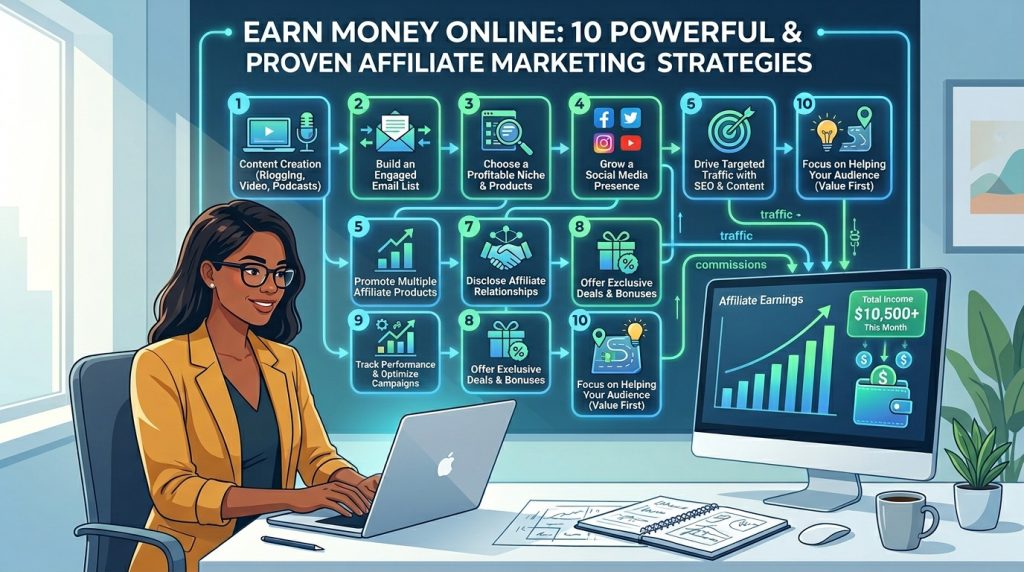
Once your platform is established and you’ve selected your products, effective promotion strategies are crucial for driving traffic and conversions. The goal is to present products in a way that is helpful and authentic to your audience, rather than overtly salesy.
| Strategy | Description | Impact on Earnings |
|---|---|---|
| High-Quality Content Creation | Develop informative blog posts, detailed product reviews, comprehensive tutorials, and engaging videos. Focus on solving problems or adding value for your audience. | Increases organic traffic, builds trust, and drives conversions by demonstrating expertise and value. |
| Search Engine Optimization (SEO) | Optimize your content with relevant keywords to rank higher in search engine results. This drives free, targeted organic traffic to your affiliate offers. | Consistent, long-term traffic generation and passive income potential. |
| Social Media Engagement | Share affiliate content across relevant social media platforms, engaging with your audience through comments and discussions. Use visual content to grab attention. | Expands reach, fosters community, and drives traffic from platforms where your audience spends time. |
| Email Marketing Campaigns | Build an email list and use it to nurture leads, share exclusive content, and promote affiliate products through targeted campaigns. | Creates an owned audience, allowing for direct communication and higher conversion rates over time. |
| Transparent Disclosures | Clearly disclose your affiliate relationships in all content where you include affiliate links. This is a legal requirement in many regions and builds audience trust. | Maintains credibility and avoids potential penalties, strengthening long-term audience relationships. |
| Offer Bonuses | Where allowed by the affiliate program, offer exclusive bonuses (e.g., extra content, a mini-course, a discount) to customers who purchase through your link. | Incentivizes purchases and helps differentiate your offer in competitive niches. |
| Diverse Traffic Sources | Don’t rely on a single traffic source. Diversify by combining SEO, social media, email, and potentially paid ads to mitigate risks from platform changes. | Ensures stability and continued traffic flow even if one channel experiences issues or algorithm changes. |
The “post and wait” method of simply dropping a link with minimal planning is the bare minimum; real results come from a more strategic approach. Advanced strategies include smart seasonal campaigns, offering curated product options for different budgets, and making the shopping experience easy and frustration-free for your audience. Continually updating old content with fresh insights and new affiliate offers also helps maintain relevance and improve earnings.
Furthermore, actively engaging with affiliate managers from the programs you join can be highly beneficial. They can offer insights into what works best, what doesn’t, and sometimes even negotiate higher commissions once you’ve proven your value.
Common Challenges and How to Overcome Them
While affiliate marketing offers significant opportunities, it’s not without its challenges. Understanding these hurdles and developing strategies to overcome them is crucial for long-term success:
- Increased Competition and Saturation: As affiliate marketing gains popularity, the market has become increasingly saturated, making it harder for new affiliates to stand out.
- Overcome: Focus on niching down to a very specific sub-niche where there is less competition. Differentiate yourself by creating exceptionally high-quality, unique, and authoritative content that truly adds value, rather than just rehashing existing information.
- Generating Enough Traffic: Even with great content, attracting a consistent flow of visitors can be challenging.
- Overcome: Invest heavily in SEO to attract organic traffic. Diversify your traffic sources, including social media, email marketing, and potentially paid advertising (once you have a proven conversion funnel). Consistently publish fresh, valuable content to keep your audience engaged and attract new visitors.
- Converting Leads to Sales: High traffic doesn’t automatically mean high sales. Converting visitors into paying customers requires effective persuasion and trust.
- Overcome: Prioritize building trust and authority with your audience. Focus on helping them solve problems rather than just selling. Provide honest reviews, demonstrate product benefits clearly, and offer comprehensive information. Experiment with different calls to action and landing page optimizations.
- Attribution and Tracking Difficulties: Accurately tracking conversions can be complex, especially with multi-channel marketing, ad blockers, and the deprecation of third-party cookies.
- Overcome: Utilize reputable affiliate networks and tracking software that offer robust attribution models. Focus on building your own first-party data through email lists and direct customer engagement to reduce reliance on third-party tracking.
- Regulatory and Compliance Challenges: Growing emphasis on data privacy (e.g., GDPR, CCPA) and transparency means affiliates must navigate complex regulations and clearly disclose affiliate relationships.
- Overcome: Stay informed about relevant regulations in your target markets. Always include clear and prominent disclosures of your affiliate relationships. Prioritize ethical marketing practices to maintain audience trust and avoid legal issues.
- Finding the Right Affiliates and Maintaining Relationships (for merchants/platforms): For those running affiliate programs, recruiting and retaining quality partners can be difficult.
- Overcome: Offer competitive commission structures, provide excellent support, and equip affiliates with effective marketing materials. Implement tiered commission structures to reward high performers.
The affiliate marketing landscape is constantly evolving, influenced by new technologies like AI, changes in search engine algorithms, and shifts in consumer behavior. Adaptability and continuous learning are key to staying ahead.
Maximizing Your Affiliate Earnings
To truly thrive in the affiliate marketing space and maximize your income, consider adopting a strategic and data-driven approach:
- Focus on Recurring Commissions: Prioritize promoting Software-as-a-Service (SaaS) products or subscription-based services that offer recurring commissions. This model allows you to earn ongoing income from a single referral, building a more predictable and stable revenue stream.
- Analyze Performance Data: Regularly analyze your performance data and metrics. Understand which content, channels, and products are driving the most clicks, conversions, and revenue. Use tools like Google Analytics and your affiliate dashboard data to inform your strategy.
- Test and Optimize: Continuously experiment with different promotional strategies, content formats, calls to action, and landing pages. A/B testing can help you identify what resonates best with your audience and leads to higher conversion rates.
- Build an Engaged Community: Beyond just selling, focus on building a loyal community around your niche. Engage with your audience, answer their questions, and provide consistent value. A trusted personal brand can significantly outperform generic niche sites.
- Negotiate Higher Commissions: Once you’ve demonstrated your ability to drive significant sales, don’t be afraid to negotiate for higher commission rates with affiliate managers. Show them the value you bring, and many merchants will be open to rewarding your efforts.
- Leverage AI Tools: The use of AI in affiliate marketing is becoming increasingly widespread. In 2024, nearly 79.3% of affiliate marketers utilized AI tools for content creation. AI can assist with content generation, keyword research, and audience analysis, streamlining your workflows and optimizing performance.
- Stay Updated with Trends: The digital marketing landscape is dynamic. Keep informed about the latest industry trends, technologies, and best practices, including changes in consumer behavior and search engine algorithms. This adaptability ensures your strategies remain effective.
- Offer Unique Incentives: Where permissible, consider offering exclusive bonuses or additional value to those who purchase through your affiliate links. This could be a supplementary guide, a consultation, or an exclusive discount, which can boost conversion rates.
By implementing these advanced strategies, affiliates can not only weather the competitive landscape but also significantly grow their earning potential, solidifying affiliate marketing as a lucrative and flexible online income source. The global affiliate marketing industry is anticipated to reach $38.35 billion by 2030, underscoring its long-term viability and growth.
Conclusion
Affiliate marketing truly represents a remarkable opportunity to earn money online from anywhere in the world. Its performance-based nature, coupled with low barriers to entry and immense scalability, makes it an attractive venture for aspiring digital entrepreneurs. While success requires dedication, strategic planning, and continuous effort, the potential rewards—financial independence, flexible work, and the freedom to operate remotely—are substantial. By understanding the core principles, thoughtfully choosing a profitable niche, building a strong and trustworthy platform, and implementing effective promotional strategies, individuals can harness the power of affiliate marketing. The industry’s consistent growth and adaptability, even amidst increasing competition and technological advancements, highlight its enduring relevance as a cornerstone of the digital economy. For anyone looking to tap into the vast potential of online income, affiliate marketing offers a proven path to achieving those goals, enabling a lifestyle where your work truly knows no geographical bounds. For a deeper dive into the fundamental concepts, you can refer to the Wikipedia page on Affiliate Marketing.