Affiliate Marketing as a Side Hustle in 2026: Trends, Niches, and Strategies That Actually Work
Table of Contents
Affiliate marketing, as a side hustle, continues to present a significant opportunity for individuals looking to generate additional income in 2026. The industry is experiencing robust growth, with global affiliate marketing spend estimated at just over $20 billion in 2026 and projected to reach $27.78 billion by 2027, according to industry market research reports. This performance-based marketing model allows individuals to earn commissions by promoting products or services of other companies, effectively bridging the gap between consumers and brands. The appeal lies in its low barrier to entry and the potential for scalable earnings, making it an attractive option for those seeking flexibility and financial independence. While the fundamental concept remains consistent, the strategies and technologies driving success in 2026 have evolved considerably, demanding a more sophisticated and strategic approach than in previous years.
Introduction to Affiliate Marketing as a Side Hustle
Affiliate marketing empowers individuals to become digital intermediaries, earning a commission for every sale, lead, or click generated through their unique referral link. This model is particularly appealing as a side hustle because it often requires minimal upfront investment compared to starting a traditional business. Aspiring affiliates can leverage existing platforms and their audience to connect consumers with products they genuinely believe in. The core principle revolves around trust and recommendation; consumers are more likely to purchase based on authentic reviews and advice. In 2026, the success of an affiliate marketer hinges not just on placing links, but on creating valuable content and fostering a genuine connection with their audience, transforming recommendations into reliable income streams. This shift emphasizes building a sustainable content business that earns commissions, rather than merely a commission scheme.
The Evolving Landscape of Affiliate Marketing in 2026
The affiliate marketing landscape in 2026 is characterized by rapid technological advancements, increased competition, and a greater emphasis on authenticity and data-driven strategies. A large majority of e-commerce businesses — industry estimates suggest over 90% — now use affiliate marketing as part of their acquisition strategy, highlighting its mainstream adoption and the immense opportunities available. However, this growth also means a more competitive environment, requiring affiliates to differentiate themselves through unique content and strategic approaches. Key trends shaping the industry include AI-driven automation, enhanced attribution models, and the rise of micro-influencers.
AI Integration: Artificial intelligence is revolutionizing content creation, campaign optimization, and predictive analytics. AI-powered tools can significantly reduce production timelines for content, enabling affiliates to create customized ad creatives across multiple channels and languages efficiently. Early adopters report meaningfully better campaign ROI compared to non-optimized campaigns, though actual results vary widely by niche and execution.
Data and Analytics: Tracking and analyzing data is more crucial than ever in 2026. Affiliates must use data to make informed decisions, optimize campaigns, and understand customer journeys. Improved tracking and multi-touch attribution models provide better insights into where sales are coming from, ensuring fair compensation for affiliates.
Rise of Micro-Influencers: Brands are increasingly partnering with niche content creators and micro-influencers, recognizing their ability to build more authentic and effective affiliate marketing campaigns. This trend favors individuals who can cultivate dedicated communities around specific interests.
Mobile Optimization: With mobile traffic no longer a niche concern, optimizing for mobile-friendliness in website structure, user interface, user experience, and content is essential for affiliate marketing success.
Choosing Profitable Niches for Your Affiliate Ventures

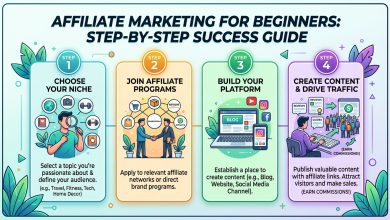
Selecting the right niche is paramount for success in affiliate marketing, especially in 2026. A profitable niche should have high buyer intent, offer strong payouts, and demonstrate sustained advertiser demand. The most common mistake for beginners is spreading themselves too thin across multiple unrelated topics. Instead, the smarter approach is to specialize deeply within a single, focused lane where you can build genuine expertise and provide real value to a specific audience.
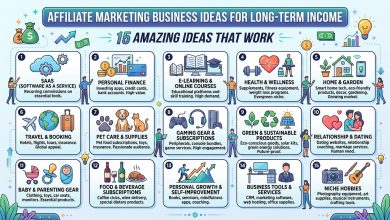
Based on current trends and projections for 2026, several niches show significant profitability:
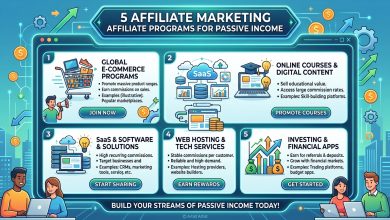
- SaaS, AI Tools & Web Hosting: This category remains highly lucrative, with products often offering recurring commissions and high customer lifetime value. Examples include AI writing and content generation tools, AI video/audio tools, and business automation software.
- Online Education, Career & Remote Work: With the continued demand for upskilling and flexible work arrangements, this niche, encompassing digital education and e-learning, presents substantial opportunities.
- Personal Finance, Investing & Trading (FinTech): Financial products, including loans, credit cards, and investment platforms, are naturally researched and compared, making them well-suited for affiliate marketing.
- Health & Wellness: This evergreen niche, focusing on longevity and holistic well-being, continues to attract a large audience.
- Gaming & iGaming: The gaming industry is booming, offering numerous affiliate opportunities from game reviews to streaming equipment and related services.
- Pet Care: The pet industry continues its growth trajectory, with a wide array of products and services that can be promoted.
- Eco-Friendly & Sustainability: As consumer awareness of environmental issues grows, products and services in this niche are gaining traction.
- Travel: Despite global shifts, travel remains a popular niche, offering diverse opportunities from flights and hotels to insurance and tours.
Strategies for Maximizing Affiliate Income
To maximize affiliate marketing income in 2026, a multifaceted approach is essential. Simple link placement is no longer sufficient; success requires strategic planning, consistent effort, and a focus on building genuine value.
| Strategy | Description | Impact on Income |
|---|---|---|
| AI-Powered Content Creation | Using AI tools to generate content, optimize headlines, and personalize recommendations | Increased content output, better engagement, higher conversion rates |
| Community Building & Personal Branding | Building trust and relationships with an audience, establishing authority | Enhanced credibility, loyal audience, more sustainable income over time |
| Authentic Video Content | Genuine video reviews, tutorials, and unboxings that build trust and demonstrate value | Higher engagement, stronger trust, improved sales |
| Diversifying Income Streams | Promoting multiple products/services within your niche across different affiliate programs | Reduced risk, expanded reach, more stable overall earnings |
| Ethical Marketing & Disclosure | Always disclosing affiliate relationships to maintain transparency | Increased audience trust, regulatory compliance, sustainable business |
| Optimizing for Voice Search | Creating content that answers conversational queries for smart speakers and voice assistants | Improved visibility in voice search, access to new audiences |
Building Your Platform: Websites, Social Media, and Email Lists
A strong online presence is the backbone of any successful affiliate marketing side hustle. While social media can offer quick engagement, a dedicated website and an email list provide greater control and long-term stability.
Niche Website/Blog: This remains a cornerstone for affiliate marketers. A focused website allows you to create in-depth reviews, comparison articles, and helpful guides. It’s crucial to set up your blog correctly from the start and consistently publish high-quality, conversion-focused content. The goal is to be the most helpful result for user queries, not the most aggressive sales pitch.
Social Media: Leveraging platforms like YouTube, TikTok, Instagram, and others is vital for reaching broader audiences and engaging with them. Authentic video content, live streams, and interactive posts can significantly drive traffic and conversions. Partnering with other creators can also amplify your reach.
Email Lists: Building an email list early is a strategic move for long-term success. Email marketing allows for direct communication, nurturing leads, and promoting offers without relying on algorithm changes or platform restrictions. Personalized email sequences, possibly AI-powered, can significantly boost engagement and conversions.
Common Challenges and How to Overcome Them
Despite the immense potential, affiliate marketing in 2026 comes with its share of challenges. The space is crowded, and audiences are more discerning and skeptical. Understanding and proactively addressing these hurdles is crucial for sustained success.
Increased Competition: The ease of entry into affiliate marketing has led to a highly competitive landscape. To stand out, affiliates must create content that genuinely adds value and cannot be easily replicated by competitors or generic AI tools. Focusing on a deep understanding of a niche and providing unique insights is key.
Algorithm Changes and SEO: Search engine algorithms are constantly evolving, and Google is cracking down on “thin affiliate content.” An SEO-first approach, combined with genuine recommendations and useful content, is essential to rank and gain visibility.
Building Trust: In an era of abundant information, consumers are increasingly skeptical. Building trust requires transparency, ethical marketing practices (always disclosing affiliate relationships), and consistent delivery of valuable, unbiased content.
Fraud and Compliance: Affiliate fraud remains a significant concern, eroding budgets and distorting campaign data. Affiliates must be aware of compliance guidelines and engage in ethical practices to protect their reputation and earnings. Regulatory scrutiny on digital marketing is also increasing, making compliance more important than ever.
Attribution and Tracking: Accurately tracking conversions, especially across multiple touchpoints and newer formats like live video, can be complex. Investing in robust tracking tools is vital to ensure proper credit for sales.
To navigate these challenges, affiliates must adopt a mindset of continuous learning and adaptation. Staying updated with industry trends, diversifying traffic sources, and focusing on long-term relationships with both brands and audiences are critical for building a resilient affiliate business.
Measuring Success and Scaling Your Affiliate Business
Effective measurement and a clear strategy for scaling are vital for transforming an affiliate marketing side hustle into a substantial income stream. It’s not enough to simply drive traffic; understanding which efforts translate into profitable conversions is paramount.
Key Performance Indicators (KPIs): Track essential metrics such as click-through rates (CTR), conversion rates, earnings per click (EPC), and return on investment (ROI) for paid promotions. Analyzing these metrics provides insights into what’s working and what needs adjustment.
Testing and Optimization: Continuously test different content formats, calls to action, landing pages, and promotional strategies. A/B testing can help optimize performance and maximize conversion rates.
Reinvesting and Scaling: Once a strategy proves successful, consider reinvesting a portion of your earnings into further growth. This could involve paid advertising, expanding your content creation efforts, or investing in advanced tools and training. The goal is to scale intelligently, focusing on profitable campaigns and niches.
Diversification of Programs: Don’t rely on a single affiliate program or network. Diversifying your partnerships can reduce risk and open up new opportunities. Combining different types of partners, such as content creators, review sites, and deal platforms, can create a unified performance ecosystem.
Building an Asset: Treat your affiliate marketing venture as a genuine business. This means building a brand, nurturing an audience, and creating valuable content that stands the test of time. An affiliate business built on strong relationships and authentic value can become a significant and sustainable asset.
Conclusion
Affiliate marketing continues to be a highly viable and potentially lucrative side hustle in 2026. While the landscape is more competitive and sophisticated than ever, the opportunities for those willing to adapt and innovate are substantial. Success hinges on a deep understanding of profitable niches, leveraging emerging technologies like AI, and prioritizing authenticity and community building over quick sales pitches. By focusing on creating high-quality, valuable content, building robust platforms, and continuously analyzing performance, aspiring affiliate marketers can navigate the evolving industry. The shift towards genuine recommendations and a content-first approach shows that treating affiliate marketing as a true business, rather than just a collection of links, remains the surest path to generating significant and sustainable income in the years to come.