Better Affiliate Marketing Management: 10 Powerful Tips for Campaign Success
Table of Contents
Affiliate marketing management is no longer a peripheral task; it has evolved into a critical component for businesses seeking sustainable growth and expanded reach in the digital landscape. This performance-based marketing channel, valued at billions annually, allows businesses to partner with third-party publishers (affiliates) to promote products or services, paying only for outcomes like sales or leads. However, simply launching an affiliate program isn’t enough; effective management is the backbone of truly successful campaigns. It involves a strategic blend of recruiting the right partners, fostering strong relationships, optimizing incentives, leveraging technology, and meticulously monitoring performance while upholding ethical standards. Without a structured management approach, programs can suffer from inefficiency, poor tracking, and missed revenue opportunities. This comprehensive guide provides actionable tips to elevate your affiliate marketing management, ensuring your campaigns are not just active, but also highly effective and profitable.
Laying the Foundation: Setting Clear Goals and KPIs
The cornerstone of any successful affiliate marketing program is a clearly defined set of goals and Key Performance Indicators (KPIs). Before recruiting a single affiliate, it is paramount to understand your company’s marketing objectives and how affiliate marketing will contribute to them. Whether the aim is to increase online sales, boost brand awareness, or generate quality leads, specific, measurable, achievable, relevant, and time-bound (SMART) goals must be established. These goals then translate into concrete KPIs that will be tracked to measure success.
Key metrics affiliate managers should regularly monitor include:
- Affiliate Revenue: The total income generated directly through affiliate sales. This is often the primary goal for many programs.
- Overall Program Revenue: Broader financial impact of the entire partner ecosystem.
- Conversion Rate (CR): The percentage of clicks that result in a desired action, such as a sale or lead. A good conversion rate typically ranges from 1% to 3%, though top performers can achieve 5% or higher. A high conversion rate indicates that affiliates are effectively reaching and persuading the right audience.
- Click-Through Rate (CTR): Measures how many people click on an affiliate link after viewing it, indicating the effectiveness of affiliate content in driving traffic. A CTR higher than 1% is often considered exceptional.
- Earnings Per Click (EPC): The average revenue earned for each click on an affiliate link. A high EPC often signifies effective campaigns and better earning potential for affiliates.
- Average Order Value (AOV): The average value of each purchase made through affiliate links. This metric helps assess the quality of traffic affiliates bring in.
- Customer Lifetime Value (CLV): The predicted revenue a customer will generate over their relationship with your business. Tracking CLV helps identify which affiliates bring in customers with long-term value.
- Cost Per Acquisition (CPA) / Cost Per Lead (CPL): The cost incurred to acquire a sale or a lead through affiliate efforts, crucial for evaluating cost-effectiveness.
By leveraging data analytics tools and dashboards, affiliate managers can gain valuable insights into these metrics, track performance in real-time, identify trends, and make data-driven decisions to optimize their programs. Regular analysis of this data allows for continuous refinement of strategies, ensuring that marketing efforts are targeted and optimized for sustained success.

Strategic Affiliate Recruitment and Onboarding
The success of an affiliate program heavily depends on recruiting the right partners. It is not about quantity, but quality; a single high-performing affiliate aligned with your brand values can generate more revenue than dozens of misaligned partners. Therefore, a strategic approach to recruitment and a structured onboarding process are essential. Brands should actively seek out affiliates who genuinely connect with their products or services and whose audience demographics align with their target market. This often means looking beyond traditional publishers to include content creators, influencers, and even other brands for brand-to-brand partnerships.
A detailed vetting process is crucial to save time and resources in the long run. This process should involve thorough research into potential partners’ marketing practices, audience engagement, content quality, and track record with other brands. Questions to consider during vetting include their online presence, the type of content they publish, their target audience, and their familiarity with affiliate marketing.
Once suitable affiliates are identified, a robust onboarding process is vital to set them up for success. This involves more than just sending a tracking link; it means clearly defining expectations and providing the necessary resources. A quality-first onboarding framework should clearly outline:
- Accepted traffic sources (e.g., content marketing, social media, email, paid advertising).
- Restricted or prohibited promotional methods to maintain brand integrity.
- Geographic focus and targeting rules.
- Clear payout structures and validation policies.
- Compliance and brand safety guidelines.
Investing time in onboarding helps establish a strong foundation, making affiliates feel like valued partners rather than just anonymous marketers. This proactive approach helps mitigate common challenges such as poor partner selection and ensures affiliates understand how to effectively represent your brand.
Fostering Strong Relationships Through Consistent Communication
At the heart of a thriving affiliate program lies strong, nurtured relationships. Affiliate partners are an extension of your sales and marketing team, and treating them as such is paramount for long-term growth and loyalty. Consistent and clear communication is the bedrock of these relationships, ensuring affiliates are well-informed, engaged, and motivated. Without regular contact, affiliates may become disengaged, leading to a decline in performance.
Effective communication strategies include:
- Regular Check-ins: Schedule consistent communication to keep affiliates updated on new products, services, messaging, and company news. This keeps your brand top-of-mind for their content planning.
- Multiple Communication Channels: Offer various ways for affiliates to reach you, such as email, chat, and forums. This flexibility caters to different preferences and ensures prompt responses to their questions and concerns.
- Concise and Direct Messaging: Affiliates are busy, so communications should be clear, direct, and to the point. Avoid lengthy, convoluted emails that may go unread.
- Personalized Outreach: Segmenting affiliates by performance, traffic source, or niche allows for tailored communication and exclusive offers, which can further incentivize top performers and support new partners.
- Providing Feedback and Suggestions: Regularly review affiliate promotional activities and offer constructive feedback. This helps them align with brand guidelines and improve their performance, showing that you are invested in their success.
- Automated Updates: Utilize automated emails for notifications like new commissions earned, keeping the benefits of working with your brand consistently in their minds.
Building rapport and fostering a sense of community among affiliates can significantly boost their loyalty and effort towards their campaigns. Brands that prioritize supporting affiliates from the outset, through ongoing communication and resources, often see greater success in their programs. By treating affiliates as valuable partners, businesses can cultivate a committed network that drives authentic engagement and strong results.
Optimizing Commission Structures and Incentives
The commission structure is a primary motivator for affiliates, directly impacting their interest and effort in promoting your products or services. Crafting a competitive yet profitable commission model is a delicate balance, requiring careful consideration of product profitability, industry standards, and affiliate expectations. A flexible commission structure that can be adapted to different affiliate tiers and performance levels is often most effective in incentivizing desired behaviors and rewarding high performers.
Common commission models include:
- Percentage of Sale: Affiliates earn a percentage of the revenue generated from each sale they refer. This is a widely used and straightforward model.
- Flat Rate Per Sale: Affiliates receive a fixed amount for each sale, regardless of the product price.
- Recurring Commissions: Ideal for subscription-based products or services (SaaS), where affiliates earn a commission for ongoing payments from customers they referred. This model encourages affiliates to refer long-term customers.
- Cost Per Lead (CPL): Affiliates are paid for each qualified lead they generate, suitable for businesses focused on lead generation rather than immediate sales.
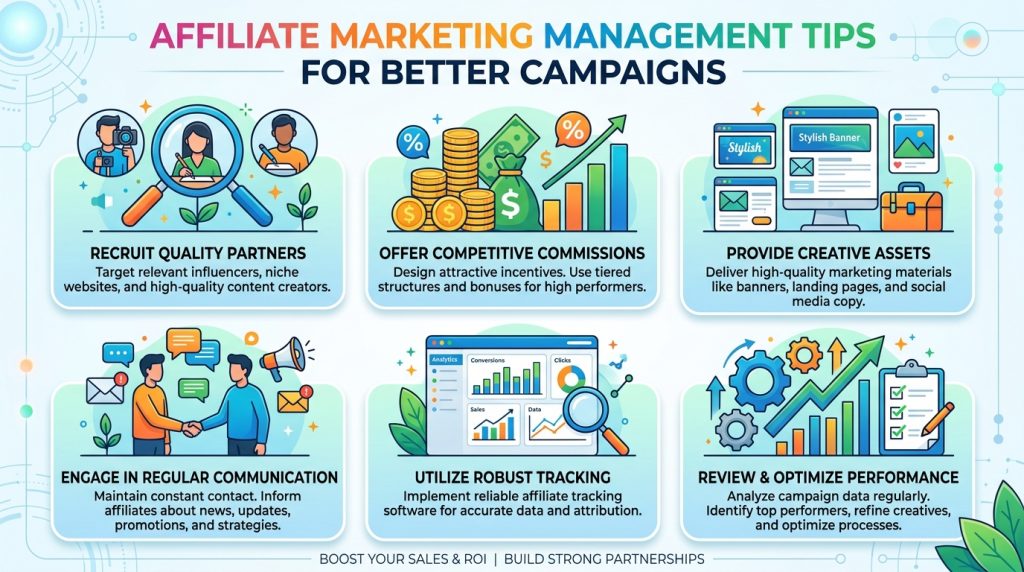
Beyond the basic commission rate, implementing a tiered commission structure can significantly boost affiliate motivation. This allows you to offer higher commission rates or special bonuses to top-performing affiliates, encouraging them to strive for greater results. Performance bonuses, exclusive discounts for their audience, early product access, or other non-monetary incentives can also be powerful motivators.
| Commission Model | Description | Best Suited For | Pros | Cons |
|---|---|---|---|---|
| Percentage of Sale | Affiliates earn a percentage of each successful sale. | E-commerce, physical products. | Scales with product price, clear incentive. | Lower percentages for high-priced items might disincentivize some. |
| Flat Rate Per Sale | Affiliates receive a fixed amount per sale, regardless of value. | Digital products, services with consistent pricing. | Predictable earnings for affiliates, simple to understand. | May not incentivize promoting higher-value items. |
| Recurring Commissions | Affiliates earn a commission for ongoing subscription payments. | SaaS, membership sites, subscription boxes. | Long-term passive income for affiliates, encourages customer retention. | Requires long-term tracking and payment infrastructure. |
| Cost Per Lead (CPL) | Affiliates are paid for each qualified lead generated. | Service-based businesses, complex sales cycles, B2B. | Focuses on top-of-funnel actions, less risk for merchant if conversion takes time. | Defining a “qualified lead” can be complex and prone to disputes. |
It’s also important to establish a clear cookie duration, which defines how long a user’s activity is tracked and attributed to an affiliate after their initial click. Longer cookie durations can provide affiliates with a better chance of earning commissions for delayed conversions. Transparency in payment terms, frequency, and methods is crucial for maintaining a positive reputation and avoiding disputes. Regularly reviewing and adjusting commission rates based on performance data and market trends ensures your program remains attractive and competitive.
Leveraging Technology for Efficient Management
In today’s complex digital landscape, effective affiliate marketing management is nearly impossible without robust technology. Affiliate management software and tracking platforms are no longer luxuries but necessities for overseeing the entire process, from recruitment and performance tracking to automated payouts. These tools streamline operations, reduce administrative overhead, and provide the critical data insights needed to optimize campaigns. Trying to manage affiliates through spreadsheets alone is simply not sustainable or efficient.
Key features to look for in affiliate management software include:
- Real-time Tracking and Attribution: Essential for monitoring clicks, conversions, and sales accurately. Modern platforms offer advanced attribution models, including first-party and server-to-server tracking, to ensure fair payouts and detailed insights into the customer journey.
- Partner Management: A central hub for affiliates to access unique tracking links, view performance data, and find marketing materials. Features like customizable affiliate dashboards and white-label branding enhance the professional experience for partners.
- Flexible Commission Structures and Payout Automation: The ability to set up various commission models (percentage, flat rate, recurring, tiered) and automate payouts, reducing manual errors and saving time.
- Reporting and Analytics: Comprehensive dashboards and reporting tools that offer granular insights into affiliate performance, ROI, conversion rates, and other key metrics. AI-powered analytics can even help forecast revenue and flag suspicious activity.
- Fraud Detection and Prevention: Robust mechanisms to identify and prevent fraudulent activities like click spamming, cookie stuffing, or fake leads, protecting your budget and program integrity.
- Integrations: Seamless connectivity with e-commerce platforms (like Shopify), CRM systems (like Pipedrive), and payment processors (like PayPal) to ensure data synchronization and streamlined workflows.
- Communication Tools: Built-in features for easy communication with affiliates, such as messaging systems or automated email campaigns.
Top-rated platforms like impact.com, PartnerStack, Awin, Tracknow, and Tapfiliate are frequently praised for their tracking, reporting, and partner management capabilities. Choosing the right software depends on your specific needs, program size, and budget, but investing in a capable solution is a non-negotiable step towards maximizing your affiliate marketing potential.
Providing Comprehensive Affiliate Support and Resources
Even the most skilled affiliates can benefit from comprehensive support and resources provided by the brand. Equipping your partners with the right tools and information is critical for their success and, by extension, the success of your program. Brands that prioritize supporting their affiliates from the get-go, with ongoing enablement, tend to drive better results. This approach transforms affiliates into genuine, long-term brand advocates.
Key resources and support elements to provide include:
- Marketing Materials and Creative Assets: Offer a variety of high-quality banners, product images, videos, logos, and promotional copy that affiliates can readily use. These assets should be compelling, attractive, and aligned with your brand’s image and messaging.
- Brand Guidelines: Provide clear guidelines on your brand’s visual elements, tone of voice, and approved messaging to ensure consistency across all promotional efforts. This helps affiliates accurately represent your products and avoids brand misrepresentation.
- Product Information and Training: Ensure affiliates have a deep understanding of your products or services, their features, benefits, and unique selling propositions. This may include product descriptions, FAQs, case studies, or even dedicated training materials and webinars. The more knowledgeable affiliates are, the more authentically and effectively they can promote your offerings.
- Content Ideas and Strategies: Offer suggestions for content creation, trending topics, or seasonal campaigns. This helps affiliates generate relevant and engaging content that resonates with their audience and drives conversions.
- Shared Analytics and Insights: Beyond just their own performance, sharing broader program insights or market trends can help affiliates understand what strategies are working best and refine their own tactics.
- Dedicated Support Channel: A readily available support system where affiliates can ask questions, get technical assistance, or seek advice is invaluable. Timely and helpful support demonstrates your commitment to their success.
By investing in these resources, you empower your affiliates to create more effective campaigns, strengthen their promotional efforts, and ultimately drive greater sales and leads for your business. This mutual empowerment fosters a collaborative environment where both the brand and the affiliates can thrive.
Monitoring, Fraud Prevention, and Compliance
Vigilant monitoring, robust fraud prevention, and strict adherence to compliance are non-negotiable aspects of managing a successful and ethical affiliate marketing program. The digital landscape presents ongoing challenges, including sophisticated fraud tactics and evolving regulatory requirements, which, if not addressed, can lead to significant financial losses and reputational damage.
Proactive Monitoring: Regular monitoring of affiliate activities and campaign performance is crucial. Beyond just tracking conversions, it involves scrutinizing traffic sources, engagement metrics, and conversion patterns to identify any anomalies. Analytics tools provide insights into customer behavior and can help pinpoint underperforming partners or suspicious activities. Understanding your customer journey and tracking various touchpoints also ensures accurate attribution.
Fraud Prevention: Affiliate fraud, such as click spamming, cookie stuffing, fake leads, or bot traffic, can severely drain budgets and distort performance data. Implementing advanced fraud detection systems, often built into modern affiliate management software, is essential. These systems can flag suspicious patterns and help you take timely action to protect your program’s integrity. Defining acceptable traffic sources and monitoring for prohibited promotional methods during onboarding also serves as a preventative measure.
Ethical Conduct and Compliance: Transparency and ethical practices are paramount in affiliate marketing. Affiliates must clearly disclose their relationship with your brand when promoting products, adhering to guidelines from regulatory bodies like the Federal Trade Commission (FTC). This disclosure should be prominent and clear in all content, fostering consumer trust. Misleading or deceptive marketing practices, false claims, exaggerated promises, and fake reviews are unethical and can lead to legal repercussions and brand damage. Brands should establish a clear code of conduct and ethical standards in their affiliate agreements, outlining expectations regarding transparency, brand alignment, and compliance with advertising laws. Providing education and training to affiliates on these standards is also vital. Respecting data privacy and complying with regulations like GDPR and CCPA is another critical ethical consideration. Focusing on audience value and recommending products that genuinely solve problems for consumers strengthens long-term credibility. For further reading on ethical guidelines in affiliate marketing, consider consulting resources like the Wikipedia article on Affiliate Marketing’s Ethics and Disclosures.
Conclusion: A Holistic Approach to Sustained Affiliate Success
Effective affiliate marketing management is a dynamic and multifaceted discipline that demands a holistic approach. It moves far beyond simply setting up links and waiting for commissions; it requires strategic planning, continuous engagement, and proactive oversight. By meticulously defining goals and KPIs, businesses can establish a clear roadmap for success and accurately measure their progress. Strategic recruitment and a thorough onboarding process ensure that only high-quality, brand-aligned partners join the program, setting the stage for authentic promotions.
Fostering strong relationships through open and consistent communication cultivates loyalty and motivation among affiliates, turning them into true brand advocates. Optimizing commission structures and offering diverse incentives ensures that affiliates remain engaged and adequately rewarded for their efforts. Furthermore, leveraging advanced technology for tracking, analytics, and automation is indispensable for scaling operations and gaining critical insights into campaign performance. Finally, a relentless focus on monitoring, fraud prevention, and strict adherence to ethical guidelines and regulatory compliance safeguards the brand’s reputation and financial health. In an ever-evolving digital landscape, brands that commit to these comprehensive affiliate marketing management tips will not only run better campaigns but also build a sustainable and highly profitable revenue channel for the long term.